Farmers in heavily pro-Trump regions are reporting severe financial pressure, but the available evidence does not establish that farmers broadly are in the worst crisis since the 1980s. That historical comparison is disputed and comes from a single union leader, with important differences between today’s farm economy and the 1980s.
Misleading
Farmers who overwhelmingly backed Trump are now warning that they are in the worst financial crisis since the 1980s.
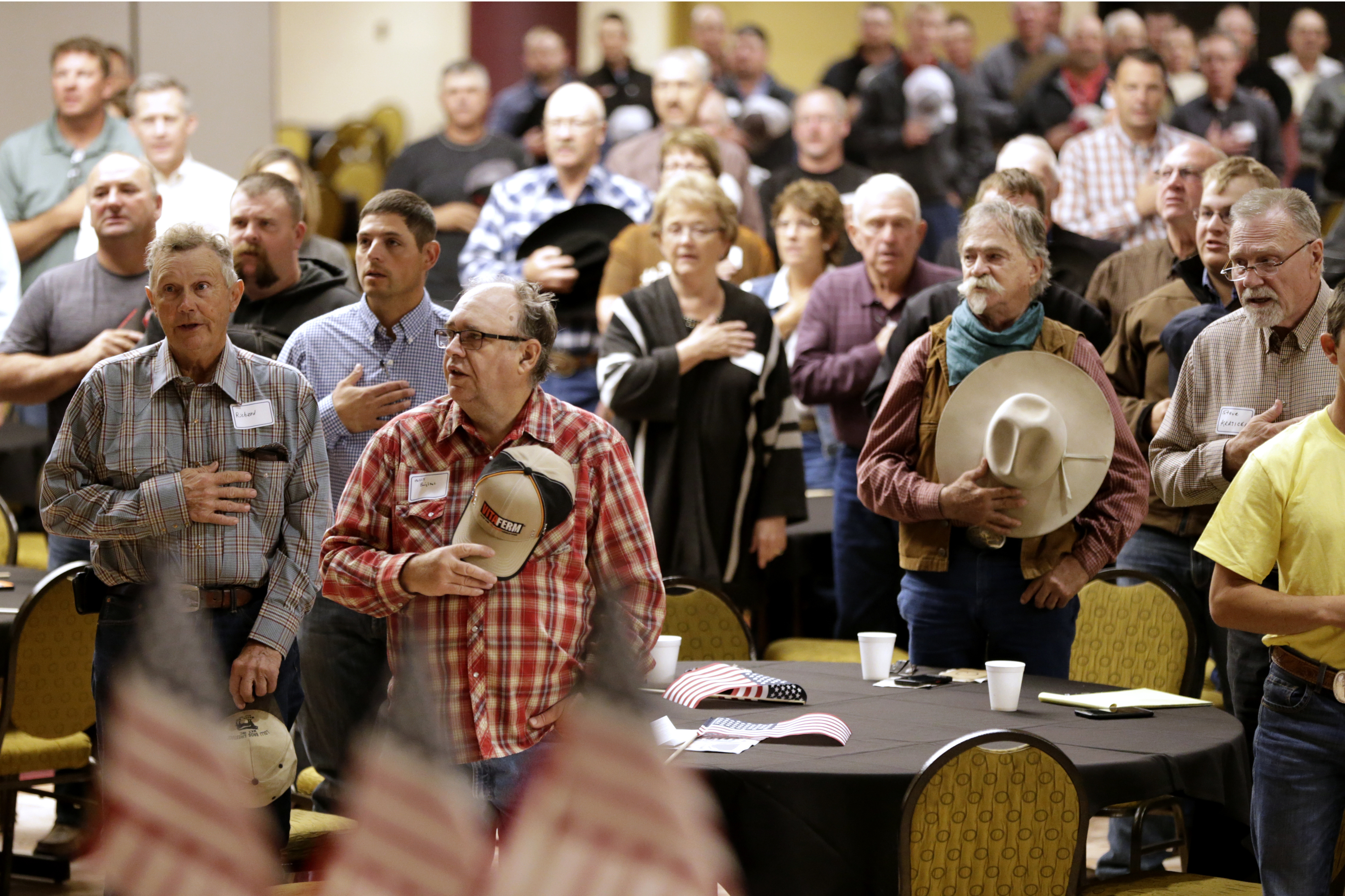
Farmers backed Trump. Now some say they’re losing patience. - The Washington Post
Source: washingtonpost.com
At a glance
Verified August 25, 2026Key Evidence
The Washington Post, Newsweek and PBS News describe financial stress among farmers, including rising bankruptcies, high input costs, expensive equipment, reduced lending and uncertainty linked to trade and aid policies.
The “worst since the 1980s” comparison is attributed in the provided material to Nebraska Farmers Union President John Hansen, while the same report says economists caution that current conditions differ materially from the 1980s because farm debt is lower and crop insurance is more widespread.
A cited April survey found that 94 percent of respondents said their financial situation had worsened or remained unchanged from the prior year. That supports widespread strain, but it does not by itself establish the claim’s broader historical superlative.
The reporting
What the Evidence Shows
Several reports published in 2025 and 2026 describe substantial financial strain among farmers, including high input costs, expensive equipment, tighter lending, weak commodity conditions, trade uncertainty and rising bankruptcies. Reporting from The Washington Post and Newsweek also indicates that some farmers who supported President Donald Trump are becoming frustrated with economic conditions and administration policies.washingtonpost.comwashingtonpost.comFarmers backed Trump. Now some say they’re losing patience
pbs.orgpbs.orgFarmers feeling weight of Trump policies with shutdown of aid+1 more
The strongest support for the claim’s historical comparison comes from a Raw Story report, which attributes the statement that this is the sector’s worst financial downturn since the 1980s to John Hansen, president of the Nebraska Farmers Union. But the same report says economists consider the comparison imperfect because farmers now generally carry less debt and crop insurance is much more widespread than it was during the 1980s farm crisis. That makes the statement a reported warning or judgment, not an established measurement that today’s conditions are definitively worse than those of the 1980s. The sources do support the claim’s political and economic context. CNN reported in September 2025 that tariffs and disrupted agricultural markets were pushing some farmers toward difficulty meeting their obligations, while later reporting cited an April survey in which 94 percent of respondents said their financial situation had worsened or stayed the same compared with the previous year. However, that survey result indicates broad dissatisfaction or stagnation, not that 94 percent were facing the worst financial crisis in four decades.thehill.comthehill.comMidwest farmers' struggles test Donald Trump, GOP loyalty ahead of midterms
cnn.comcnn.comTrump’s trade war pushes some US farmers to the brink+1 more
Other sources make similar claims about tariffs, aid disruptions and financial distress, but several are opinion or advocacy-oriented publications rather than primary economic records. They help document the narrative and reactions among farmers, but they do not independently prove the sweeping historical comparison. The evidence therefore supports a narrower conclusion: many farmers, including some who voted for Trump, are under serious financial pressure and some are warning of a crisis. It does not support presenting the 1980s comparison as an established fact applying to farmers generally.
Primary trail
Verified Sources10
Open source