Tyson Foods' recent decision to close certain facilities is the result of a strategic network restructuring aimed at long-term operational efficiency, not a response to trade or tariff policies.
False
Trump's tariffs backfire as tyson foods shuts down u. S. Plants.
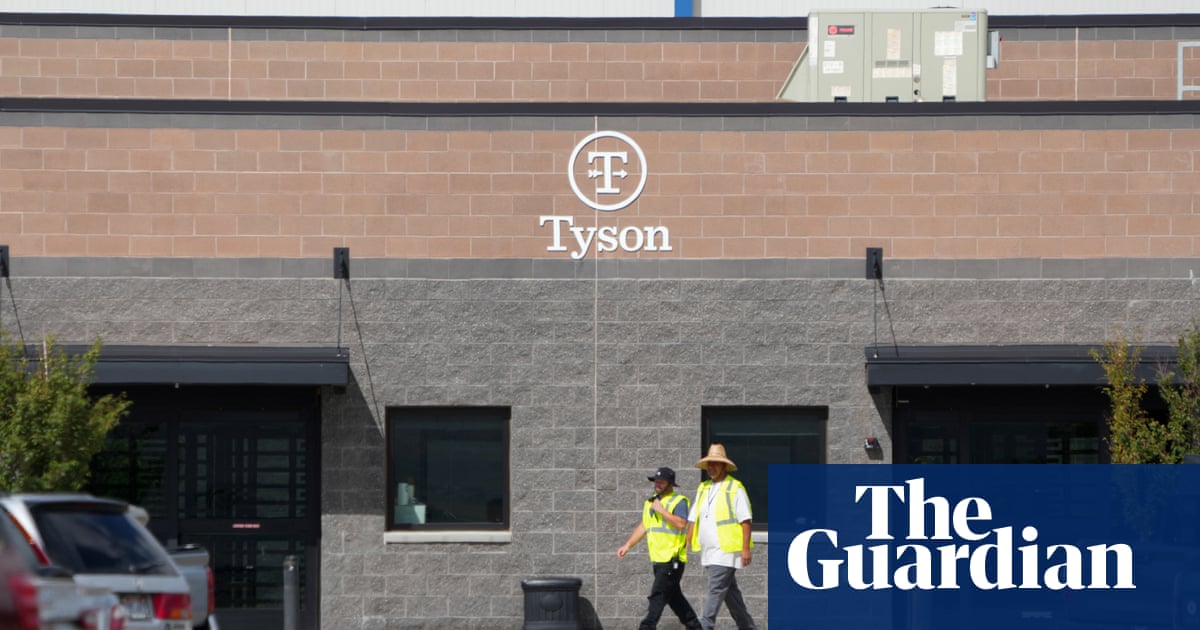
Tyson Foods Close Facilities Beef Prices Cattle Shortage
Source: theguardian.com
At a glance
Verified September 30, 2026Key Evidence
Tyson Foods stated that the facility closures are part of a strategic network restructuring to optimize their beef operations.
Industry analysts and economic data cite historic cattle shortages, prolonged drought conditions, and high input costs as the primary drivers of industry instability.
There is no verifiable evidence linking the Tyson Foods plant closures to current tariff policies.
The reporting
What the Evidence Shows
Tyson Foods announced in August 2026 that it is restructuring its beef business to focus operations around three key, strategically located facilities in the central United States. According to official company communications, this move is intended to position the organization for long-term success and does not link the closures to government trade policy. Industry experts and agricultural economists attribute the supply constraints facing the meat industry to significant, long-standing factors such as persistent multi-year droughts in the American West and high input costs for feed, fertilizer, and fuel, rather than the impact of tariffs.theguardian.comtheguardian.comTyson Foods Close Facilities Beef Prices Cattle ShortageReason for Closures: According to official statements from Tyson Foods, the company’s recent restructuring of its beef business—including the closure of facilities in Joslin, Illinois, and Eagle Mountain, Utah, and the planned sale of a...
tysonfoods.comtysonfoods.comTyson Foods Announces Network Restructuring Beef Business Strengthen LongReason for Closures: According to official statements from Tyson Foods, the company’s recent restructuring of its beef business—including the closure of facilities in Joslin, Illinois, and Eagle Mountain, Utah, and the planned sale of a...
Analysts have further clarified that while the broader economic environment is influenced by various trade and market pressures, there is no evidence establishing that tariff policies were the cause of these specific plant closures.cap.unl.educap.unl.eduUnderstanding Tyson Lexington Plant Closure What It Means Cattle ProducersThis supply constraint is attributed by industry experts and economists to factors such as multi-year droughts in the American West, high input costs (such as feed, fertilizer, and fuel), and structural changes in the cattle industry In...
the-independent.comthe-independent.comTyson Beef Plant Closing Nebraska Trump B2871631Tariff Policies: While news reports and agricultural analyses have discussed the general economic environment—sometimes referencing various trade policies, market pressures, and regulatory investigations—there is no evidence from Tyson... Claims attributing the closures directly to President Donald Trump's tariff policies lack factual support and ignore the company's stated strategic objectives and the documented impact of historic cattle shortages.+2 more
Primary trail
Verified Sources7
Open source
Understanding Tyson Lexington Plant Closure What It Means Cattle Producers
Tyson Foods Announces Network Restructuring Beef Business Strengthen Long
Transparency
Revision history
- Version 2September 30, 2026
The original assessment labeled the claim as 'Misleading' due to a lack of authoritative evidence at the time. The updated investigation provides high-reliability evidence, including official corporate communication and industry analysis, confirming that the closures were part of a strategic restructuring unrelated to tariff policies, allowing for a definitive 'False' verdict.
Misleading → False - Version 1August 7, 2025
Initial published version
Misleading