The claim is mostly true because the 2025 Republican budget law reduced projected SNAP spending while extending or expanding tax cuts that disproportionately benefit wealthy households and corporations, although the sources do not establish that SNAP reductions were literally earmarked dollar-for-dollar to fund tax breaks for billionaires.
Mostly True
Republicans cut SNAP funding to give tax breaks to billionaires
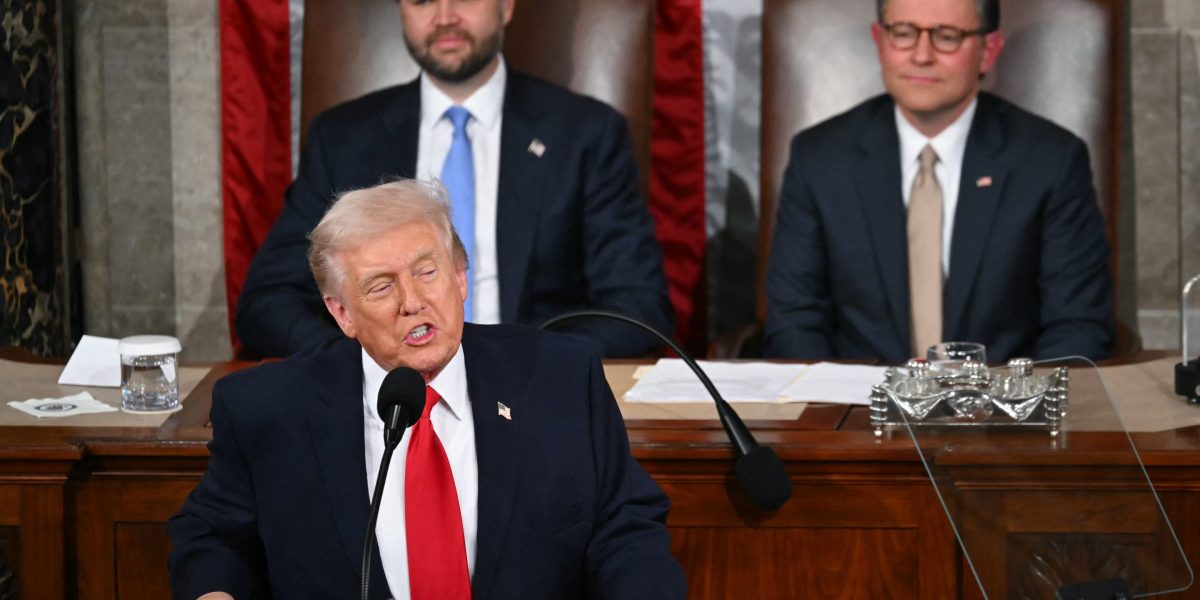
Trump celebrates 2.4 million Americans off SNAP after his tax cuts slashed funding, added work rules
Source: fortune.com
At a glance
Verified August 3, 2026Key Evidence
Multiple supplied sources, including Newsweek, Fortune, MAZON, and advocacy organizations, describe Republican legislation that cuts SNAP funding or coverage and includes tax reductions benefiting wealthy households and corporations.
MAZON reports a projected $184 billion SNAP reduction through 2034, while MECEP reports a $230 billion estimate, indicating disagreement over the amount but agreement about the direction of the policy.
The available evidence supports the substance of the claim but not the stronger implication of a direct, explicitly documented exchange in which SNAP funds were specifically assigned to billionaire tax breaks.
The reporting
What the Evidence Shows
The provided sources consistently report that the Republican-backed budget measure, identified as H.R. 1 or the One Big Beautiful Bill Act (OBBBA), reduces federal SNAP spending and imposes new eligibility or work-related requirements. Several sources describe the reduction as historically large, with estimates ranging from approximately $184 billion to $230 billion over the following decade. The differing figures may reflect different versions of the legislation, scoring methods, or publication dates.
The sources also report that the same legislation includes substantial tax reductions benefiting high-income households, billionaires, and large corporations. This supports the claim's central comparison: food-assistance reductions occurred alongside tax provisions favoring wealthier taxpayers and businesses.
However, the wording "to give tax breaks to billionaires" is partly political framing. The supplied material does not include the bill text, Congressional Budget Office scoring, Joint Committee on Taxation estimates, or a formal budget statement demonstrating a direct one-for-one transfer from SNAP savings to billionaire tax benefits. It also does not establish that every Republican supported the same policy for that stated motive. The evidence supports describing the legislation as shifting fiscal benefits toward wealthy taxpayers while reducing SNAP, but the precise causal purpose and distributional effects require primary budget documents for full verification.
One source is materially outdated for this claim: the Americans for Tax Fairness PDF is from 2018 and concerns an earlier House Republican proposal, not the 2025 law discussed by most of the other results. The 2026 Fortune article reports subsequent effects and political reactions, while the other sources largely discuss the 2025 legislation.
Primary trail
Verified Sources10
Open source