Dogs do communicate with each other using a variety of vocalizations, body language, and scent signals.
True
Dogs can communicate with each other.
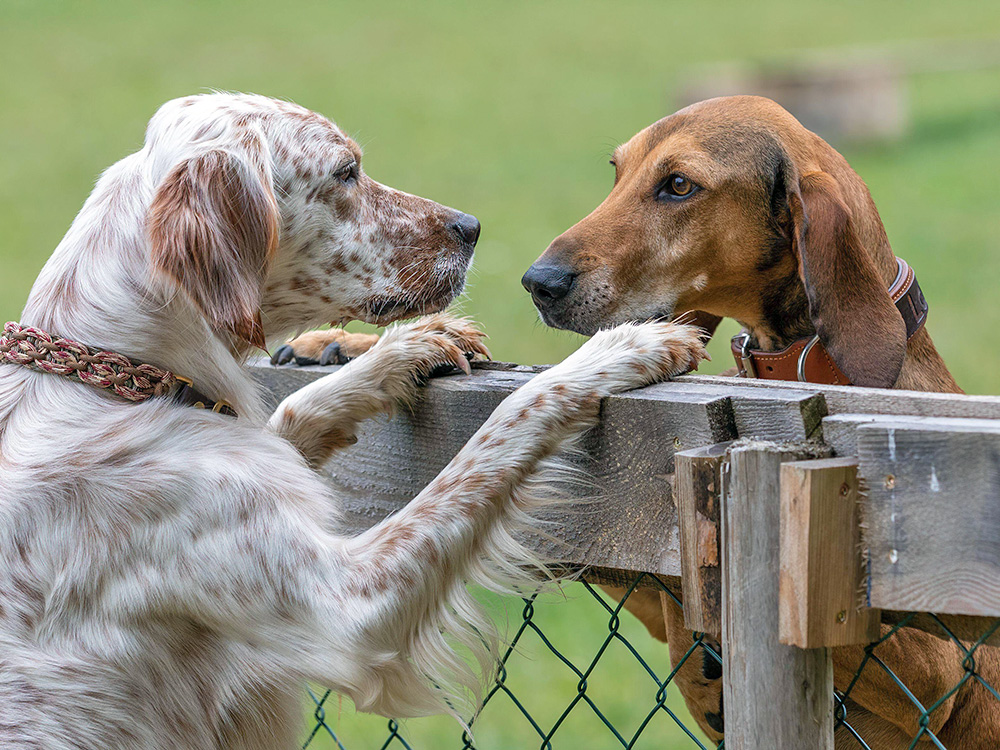
Can Dogs Communicate With Each Other? Learn How · Kinship
Source: kinship.com
At a glance
Verified September 17, 2025Key Evidence
Sources consistently describe dogs using vocalizations like barks and growls to express feelings or warnings.
kinship.comkinship.comCan Dogs Communicate With Each Other? Learn How · Kinship
rover.comrover.comHow Do Dogs Communicate With Each Other?+1 more
Body language cues such as tail wagging or ear positioning are highlighted as important communication tools.
rockysretreat.comrockysretreat.comCan Dogs and Cats Communicate with Each Other? -
sundaysfordogs.comsundaysfordogs.comHow Do Dogs Communicate With Each Other?
The role of scent is emphasized as a powerful form of chemical communication unique to dogs.
ellevetsciences.comellevetsciences.comHow Do Dogs Communicate With Each Other?
Even community discussions note dogs engaging in back-and-forth vocal exchanges that resemble conversations.
boards.straightdope.comboards.straightdope.comCan dogs talk to each other? - Factual Questions
reddit.comreddit.comr/puppy101 on Reddit: Do you think dogs have conversations with each other?
The reporting
What the Evidence Shows
Multiple reliable sources confirm that dogs have complex communication methods to interact with one another. This includes vocal signals such as barks, growls, whines, and subtle sounds that convey different emotions or intentions. Dogs also use body language extensively, tail position, ear orientation, facial expressions, and posture, to send messages.
Additionally, scent plays a crucial role in canine communication; dogs can detect chemical signals in each other's body odors that provide information about identity, emotional state, and reproductive status. These communication methods help dogs establish social hierarchies, avoid conflicts, initiate play, and maintain peaceful interactions. While dogs do not have a language comparable to human speech, their communication is effective within their species and context-dependent.
Some anecdotal discussions also suggest dogs may respond to each other's vocalizations across different breeds and regions, indicating a shared understanding of these signals.
Primary trail
Verified Sources10
Open source