The claim is misleading because the Phase 3 melanoma result is supported, but the provided evidence does not establish that AI helped design the vaccine used in that trial.
Misleading
AI helped design Moderna's cancer vaccine that succeeded in Phase 3 trial.
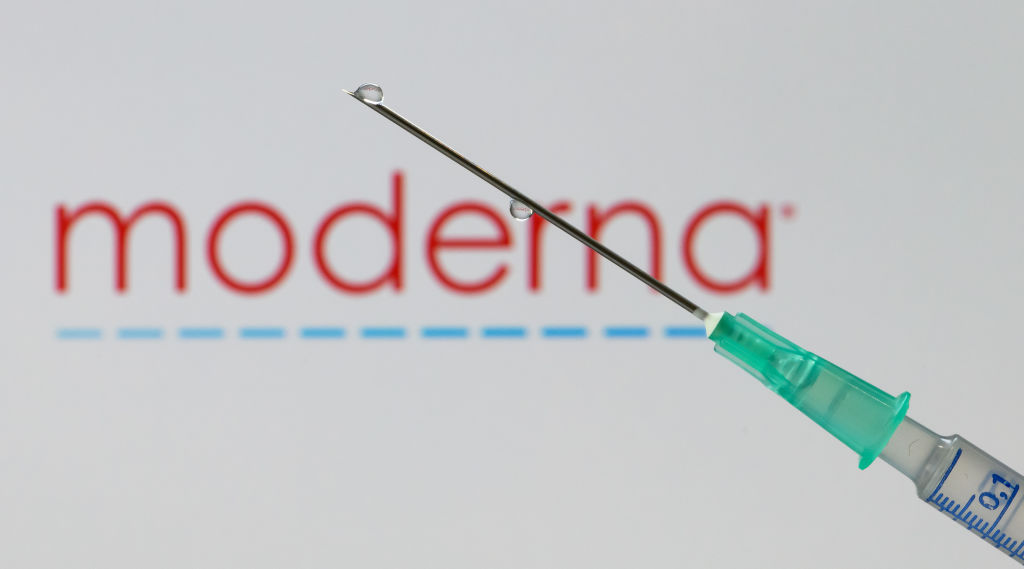
mRNA cancer vaccine succeeded in Phase 3 melanoma trial, Moderna and Merck say - Ars Technica
Source: arstechnica.com
At a glance
Verified August 20, 2026Key Evidence
Ars Technica, Endpoints News, STAT, CNN, The Boston Globe, and the Boston Business Journal all report that Moderna and Merck announced positive Phase 3 results for a personalized mRNA vaccine combined with Keytruda in melanoma.
The sources describe tumor sequencing and mutation selection, but they do not provide direct evidence that AI designed the Phase 3 vaccine.
Earlier BioSpace coverage and a 2026 Drug Discovery & Development Trends article show that AI is associated with Moderna's individualized-vaccine and research efforts, but this is not proof of AI's role in the specific clinical product.
The reporting
What the Evidence Shows
The claim combines two separate propositions:
1. The vaccine succeeded in a Phase 3 trial: This is supported by multiple reports published on August 19-20, 2026. Moderna and Merck said their personalized mRNA vaccine, intismeran autogene, used with Keytruda, reduced melanoma recurrence and spread compared with Keytruda alone. The reports describe this as the first reported Phase 3 success for an mRNA cancer vaccine, although the detailed trial data and peer-reviewed publication are not included in the provided sources.
2. AI helped design the vaccine: The sources establish that the treatment is personalized by sequencing a patient's tumor, comparing tumor and healthy-cell genetics, and selecting cancer-specific mutations that may trigger an immune response. However, the provided evidence does not clearly show that AI performed or materially assisted this design work for the Phase 3 vaccine. Newsweek reports a statement about using AI and robotics to design and manufacture individualized vaccines, while Drug Discovery & Development Trends discusses Moderna's broader AI research platform. Those points show that AI is relevant to Moderna's research strategy, but they do not verify that AI helped design the specific vaccine tested in this trial.
The wording also omits important scope: this was not a universal cancer vaccine or a trial showing that the vaccine alone worked. It was a personalized vaccine combined with Keytruda in patients with melanoma. The reported outcome concerned reduced recurrence and spread, rather than a demonstrated cure or broad effectiveness across cancers.
Primary trail
Verified Sources10
Open source