Twenty-three states and the District of Columbia filed suit against President Donald Trump’s 2026 executive order on mail voting. The Supreme Court has since permitted major provisions to operate while the legal challenge proceeds.
True
Twenty-three U.S. states and the District of Columbia have sued to block President Trump’s 2026 executive order imposing new federal requirements on mail-in voting.
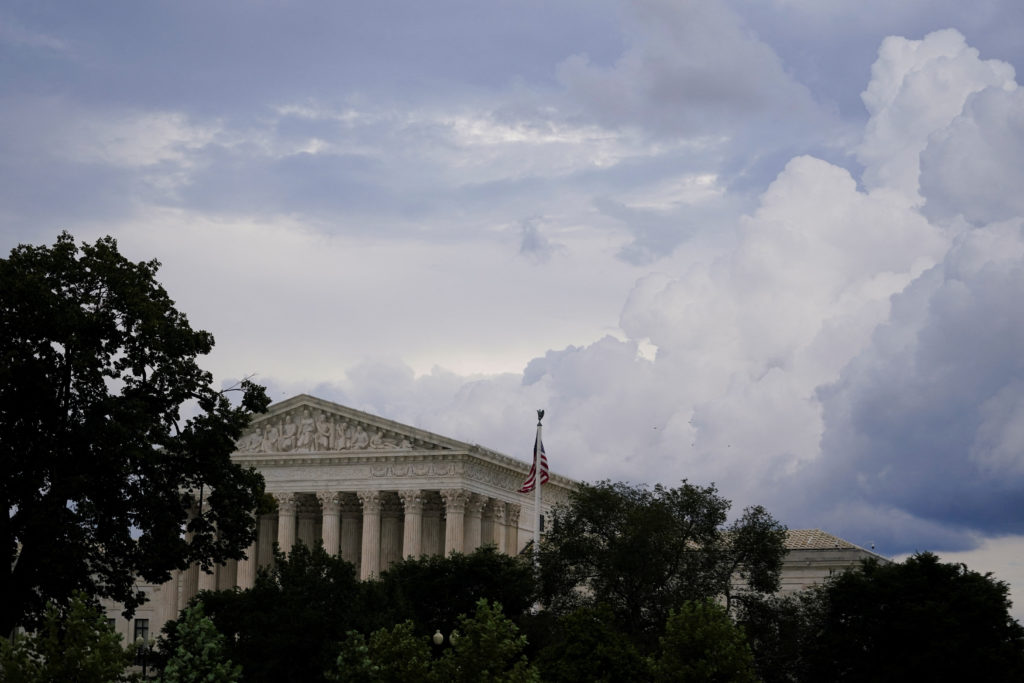
Supreme Court clears the way for Trump mail voting order ahead of midterms | PBS News
Source: pbs.org
At a glance
Verified August 26, 2026Key Evidence
On April 4, 2026, CBS News reported that officials representing 23 states and the District of Columbia had filed a legal challenge to President Trump’s executive order on mail voting.
PBS News, The Hill and CBS News reported that the Supreme Court later removed an injunction that had halted the order, enabling major provisions to be implemented while the case remained active.
Reports published on August 26, 2026, by PBS News, U.S. News and other outlets described a renewed action by the same group of states after the Supreme Court’s interim decision.
The reporting
What the Evidence Shows
The statement correctly identifies a lawsuit brought by officials from 23 states and the District of Columbia against President Donald Trump’s executive order concerning mail voting. The case challenged provisions that would establish additional federal restrictions on the processing and use of mail ballots during the 2026 midterm elections. CBS News reported the filing on April 4, 2026, and subsequent coverage confirmed that the same coalition remained involved.cbsnews.comcbsnews.com23 states sue Trump over new executive order targeting mail voting
usnews.comusnews.comDemocratic-Led States Renew Challenge to Trump Plans to Restrict Mail-In Voting
The case’s procedural status later shifted. Although a federal judge had temporarily barred enforcement in the states involved, the Supreme Court subsequently suspended that injunction, permitting significant parts of the order to move forward as the wider dispute continues. This does not undermine the statement that the states and the District of Columbia sued to stop the order, but it does show that the litigation has not produced a lasting block on its implementation.pbs.orgpbs.orgSupreme Court clears the way for Trump mail voting order ahead of midterms
cbsnews.comcbsnews.comSupreme Court allows Trump to implement key parts of order restricting mail...+2 more
The coalition has continued to contest the order. Coverage dated August 26, 2026, refers to a new or renewed action brought by Democratic-led states following the Supreme Court’s decision. The reports vary somewhat in their descriptions of the procedural step and the parties, including the roles of Pennsylvania’s governor and Maine, but consistently describe 23 states and the District of Columbia as participants in the challenge.pbs.orgpbs.orgDemocratic states file new lawsuit seeking to block Trump's order limiting mail...
usnews.comusnews.comDemocratic-Led States Renew Challenge to Trump Plans to Restrict Mail-In Voting+2 more
Describing the order as “imposing” requirements is a fair characterization of a measure intended to limit mail voting, although both its operation and legality remain disputed. The Supreme Court’s interim action allowed important provisions to operate; it did not conclusively uphold every part of the order. The core claim, that 23 states and the District of Columbia sued to block it, is supported by the available coverage.
Primary trail
Verified Sources10
Open source