Tulsi Gabbard claimed that Russian intelligence possessed and suppressed damaging information about Hillary Clinton's health and alleged psycho-emotional problems during the 2016 election, but these claims rely on unverified, declassified documents and have been widely disputed and criticized as lacking credible evidence.
Misleading
Tulsi Gabbard says Russia had dirt on Hillary Clinton that it suppressed in the 2016 election, including that she was suffering “intensified psycho-emotional problems.”
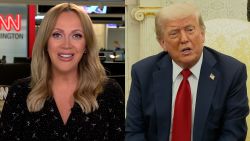
‘It’s just wildly misleading’: Why the administration’s latest allegations about the Russia investigation don’t add up - CNN Politics
Source: cnn.com
At a glance
Verified July 23, 2025Key Evidence
Gabbard cited purported Russian intelligence documents alleging Clinton's health problems, but these documents have not been independently authenticated.
Credible analyses conclude Russia aimed to harm Clinton's campaign rather than suppress damaging information.
Major news outlets describe Gabbard's claims as misleading and politically motivated.
The reporting
What the Evidence Shows
The claim consists of several components: first, that Russia had damaging information ('dirt') on Hillary Clinton during the 2016 election; second, that this information included assertions about her suffering from 'intensified psycho-emotional problems' and use of heavy tranquilizers; and third, that Russia suppressed this information rather than releasing it. Tulsi Gabbard, as Director of National Intelligence, publicly stated these allegations citing purported Russian intelligence documents allegedly obtained from the Foreign Intelligence Service (SVR) that describe Clinton's health issues and emotional state in alarming terms.cnn.comcnn.com‘It’s just wildly misleading’: Why the administration’s latest allegations about...
npr.orgnpr.orgTrump's spy chief claims the Obama administration 'manufactured' intel on Russia+1 more
However, these documents have not been independently verified by credible intelligence or medical experts. Major news organizations and analysts have characterized Gabbard's statements as politically motivated and misleading, noting that the claims contradict established assessments of Russian interference which focused on harming Clinton's campaign rather than protecting it.
Furthermore, the notion that Russia suppressed damaging information is inconsistent with the broader consensus that Russia actively sought to damage Clinton's candidacy through hacks and leaks. The language used by Gabbard and some sources is emotionally charged and lacks corroboration from authoritative sources. The claim also omits context about the contested nature of these documents and the political motivations behind their release.
Given these factors, while Gabbard did make the statement, the underlying factual basis is dubious and presented in a way that misleads about the nature of Russian actions in 2016.
Primary trail
Verified Sources5
Open source