USPS generally pays its ordinary operating expenses from postage, product, and service revenue, not taxpayer dollars. Federal appropriations or reimbursements identified in the evidence were limited to specific congressionally mandated services or obligations and do not amount to general funding for normal operations.
False
The U.S. Postal Service receives taxpayer funding to cover its normal operating expenses.
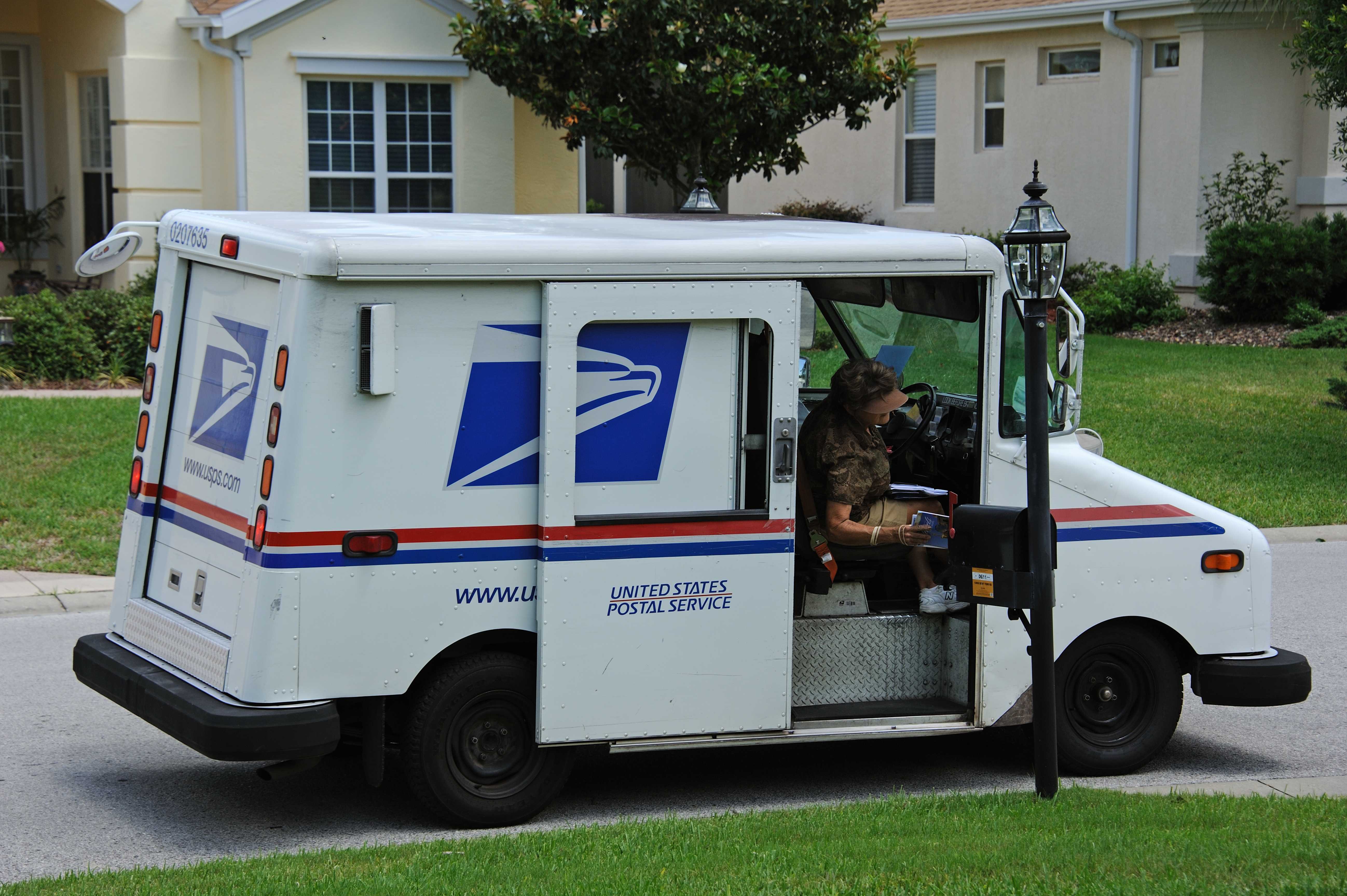
How is the US Postal Service governed and funded? | Brookings
Source: brookings.edu
At a glance
Verified August 20, 2026Key Evidence
USPS states that it generally receives no tax dollars for operating expenses and funds operations through postage, products, and services.
Brookings describes USPS as relying on revenue from stamps and other service fees rather than direct taxpayer funds or annual federal appropriations for ordinary operations.
The federal support identified in the evidence concerned specific mandated services or reimbursements, including forgone postage revenue, not general funding for normal operating expenses.
The reporting
What the Evidence Shows
The claim combines two propositions: that USPS receives taxpayer-funded support and that this support covers its normal operating expenses. The first is only narrowly supported because federal appropriations or reimbursements have been associated with particular mandated services, including compensation for postage revenue forgone on discounted or free public services. An authorization for reimbursement also existed for a specific funding matter, although the authorized amount was not consistently appropriated.
The second proposition is contradicted by the evidence. USPS states that it generally receives no tax dollars for operating expenses and instead relies on sales of postage, products, and services. Brookings likewise describes USPS as relying on service revenue rather than direct taxpayer funding or annual federal appropriations for ordinary operations. The identified federal support was purpose-specific and does not establish that taxpayers cover USPS's normal operating expenses.
Primary trail
Verified Sources7
Open source