Local governments throughout the nation are actively modifying land-use policies and zoning regulations to address the swift proliferation of data centers, signaling a transition in how communities oversee the substantial utility and infrastructure burdens these sites impose.
True
The construction of data centers has directly resulted in specific local legislative or zoning changes in multiple U.S. jurisdictions.
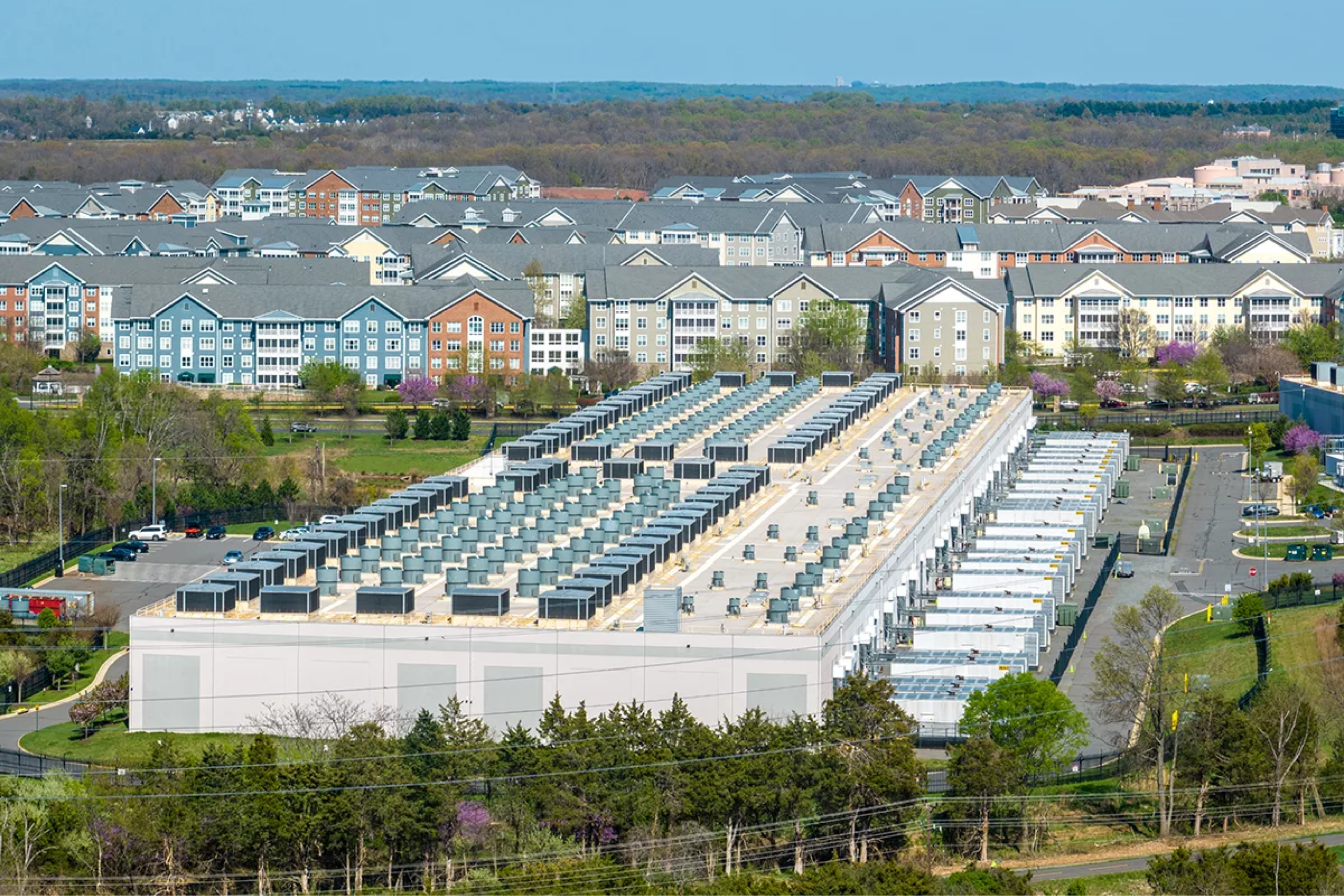
Data Centers Are Here and More Are Coming Our Zoning Is Not Ready
Source: smartgrowthamerica.org
At a glance
Verified September 21, 2026Key Evidence
Numerous American municipalities and counties have implemented targeted legislative and zoning measures to mitigate the infrastructure pressures caused by data centers.
Over 600 jurisdictions in the United States have initiated formal moratoriums on data center projects since the start of 2026 to facilitate the revision of local land-use ordinances.
Standard regulatory updates involve the designation of exclusive zones for data centers and the introduction of compulsory criteria regarding energy limits, water usage, and noise control.
The reporting
What the Evidence Shows
The surge in data center construction, fueled by the rise of artificial intelligence, has prompted numerous American regions to reevaluate their development guidelines. Since traditional zoning regulations failed to account for the unique requirements of these sites, such as massive power usage, cooling-related water consumption, and persistent noise, authorities are utilizing legislative measures to control their growth.smartgrowthamerica.orgsmartgrowthamerica.orgData Centers Are Here and More Are Coming Our Zoning Is Not ReadyAs of September 2026, the rapid proliferation of data centers—often driven by the energy-intensive demands of artificial intelligence—has outpaced existing land-use and zoning frameworks Unlike traditional industrial projects, these...
techpolicy.presstechpolicy.pressLocal Governments Are Learning How to Negotiate with Data Center DevelopersIn response, a significant number of U.S. municipalities and counties have enacted legislative and zoning interventions to manage these facilities Unlike traditional industrial projects, these facilities often have high energy and water...
These actions often manifest as temporary bans, which function as investigative intervals. Such pauses enable municipal leaders to evaluate the strain on local resources and craft revised zoning laws, ecological benchmarks, and safeguards for residents.datacenters.ainowinstitute.orgdatacenters.ainowinstitute.orgDatacenters ReportThese moratoriums are typically used as temporary, "pause-to-study" measures to allow local governments time to update zoning codes, conduct environmental assessments, and address community concerns regarding noise, water consumption, and...
blogs.law.columbia.edublogs.law.columbia.eduLocal Moratoria ConsiderationsThese moratoriums are typically used as temporary, "pause-to-study" measures to allow local governments time to update zoning codes, conduct environmental assessments, and address community concerns regarding noise, water consumption, and...+1 more Moving past temporary halts, many areas are institutionalizing lasting adjustments to their land-use codes.
Typical regulatory steps involve creating specific zones for data facilities that limit them to industrial sectors, alongside mandates for power capacity caps, noise reduction protocols, and revised requirements for setbacks and greenery. Evidence shows this regulatory trend is widespread, with recent figures indicating that hundreds of U.S. Localities have introduced or finalized moratoriums or permanent zoning updates since early 2026 to ensure local policies reflect the current operational demands of the sector.multistate.usmultistate.usState Data Center Policy 101In response, a significant number of U.S. municipalities and counties have enacted legislative and zoning interventions to manage these facilities
credaily.comcredaily.comData Center Moratoriums Formalize in 600 JurisdictionsPrevalence of Local Action: According to recent reports, more than 600 U.S. jurisdictions have formally advanced data center moratoriums since January 2026+2 more
Primary trail
Verified Sources10
Open source