The Supreme Court found that EPA had likely failed to adequately explain its federal implementation plan, but the June 2024 decision was an emergency stay, not a final merits ruling that definitively held the plan unlawful.
Mostly True
The Supreme Court ruled in Ohio v. EPA that the Environmental Protection Agency failed to adequately justify its federal implementation plan under the Clean Air Act.
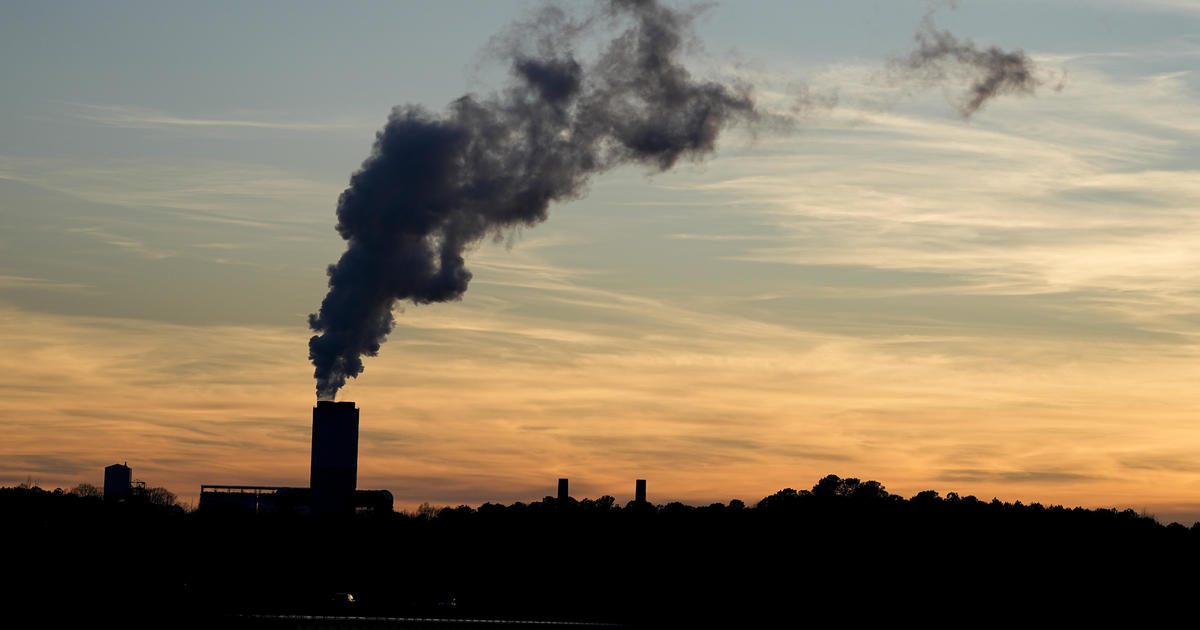
Supreme Court blocks EPA's "good neighbor" rule aimed at combating air pollution - CBS News
Source: cbsnews.com
At a glance
Verified September 6, 2026Key Evidence
The Supreme Court’s June 27, 2024 opinion stayed enforcement of EPA’s Good Neighbor Rule rather than entering a final merits judgment invalidating the federal implementation plan.
The majority concluded that EPA had not adequately explained why the plan remained appropriate after the number of participating states was reduced, making the challengers likely to prevail.
CBS News and legal analyses accurately described the Court as finding EPA’s explanation inadequate, but some secondary summaries omit the decision’s preliminary, stay-stage posture.
The reporting
What the Evidence Shows
The Supreme Court’s decision in Ohio v. EPA focused on whether the Environmental Protection Agency had reasonably explained why its federal implementation plan remained appropriate after several states were no longer covered. The majority concluded that the challengers were likely to succeed under the Administrative Procedure Act’s arbitrary-and-capricious standard and stayed enforcement of the rule.supremecourt.govsupremecourt.govSUPREME COURT OF THE UNITED STATES
supremecourt.govsupremecourt.gov(Slip Opinion) OCTOBER TERM, 2023 1 Syllabus
Primary trail
Verified Sources10
Open source