The claim that health insurance premiums could rise dramatically, potentially from around $278 to as much as $1,800 monthly starting January 1, 2026, is supported by multiple sources citing large premium increases due to expiring subsidies and legislative actions, and Senate Republicans have opposed plans aimed at preventing these cost hikes.
Mostly True
“NBC News reports a couple who pays, for example, $278 a month for health insurance, they're gonna see their premium go up to as much as $1,800 on January 1st.” Meanwhile, Senate Republicans voted against a plan to stop making health care more expensive.
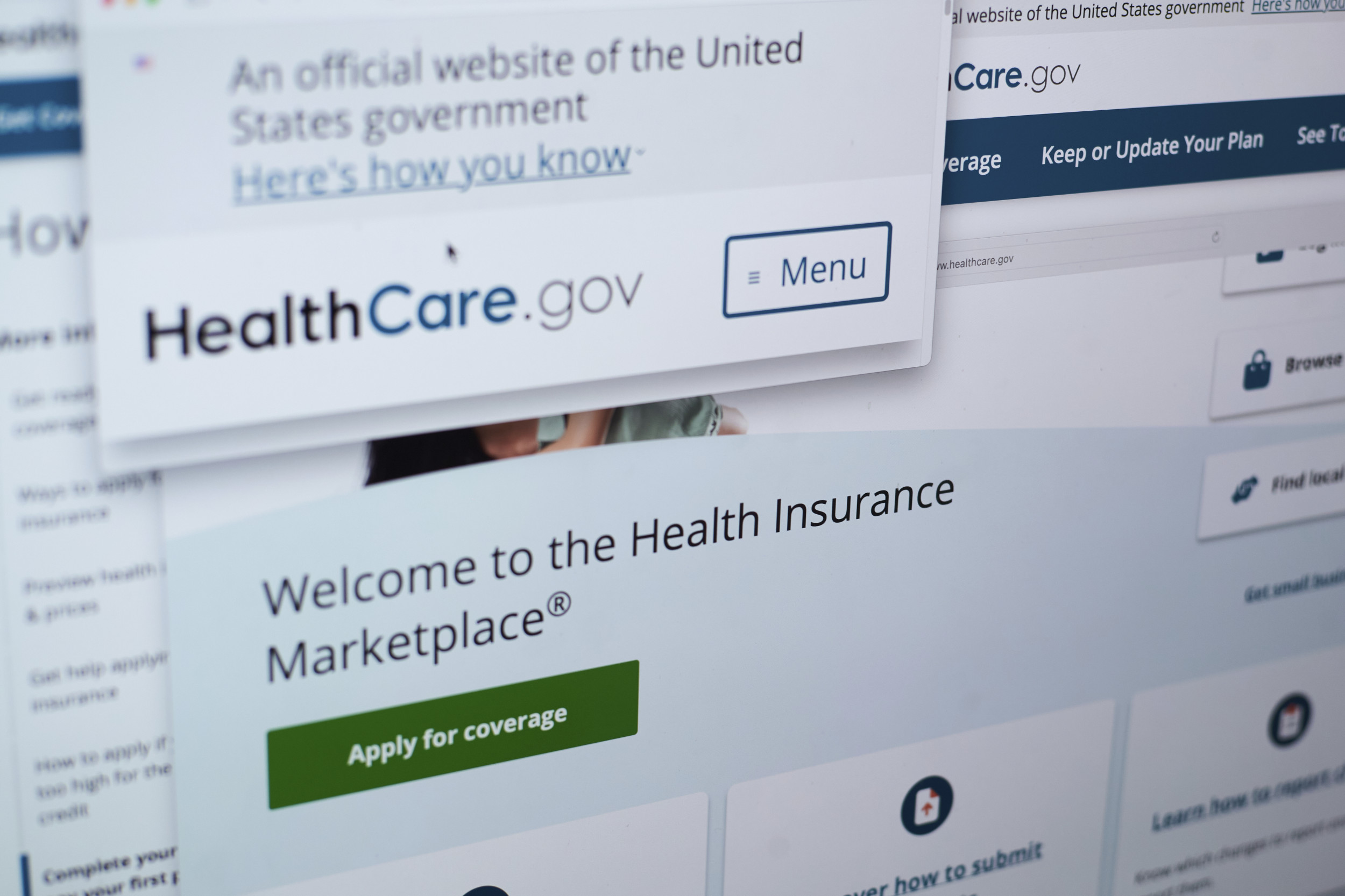
Health Insurance Premiums Could Rise More Than 80% Next Year - Newsweek
Source: newsweek.com
At a glance
Verified September 22, 2025Key Evidence
Newsweek and CNBC report nationwide average premium increases around 75-80% due to subsidy expirations after 2025.
Peterson-KFF data shows insurers requesting historically large premium hikes.
CBPP and AP News confirm Senate Republicans voted against plans to extend subsidies that would prevent these cost increases.
The reporting
What the Evidence Shows
Multiple reputable sources confirm that health insurance premiums on the Affordable Care Act (ACA) marketplaces are expected to increase sharply in 2026. Newsweek reports potential premium increases exceeding 80% in some states. CNBC explains that the expiration of enhanced premium tax credits after 2025 will drive average premium increases of about 75%, causing millions to lose coverage or face higher costs. The Peterson-KFF Health System Tracker highlights that insurers are requesting the largest premium hikes in over five years, largely due to subsidy expirations and resulting market instability.newsweek.comnewsweek.comHealth Insurance Premiums Could Rise More Than 80% Next Year
healthsystemtracker.orghealthsystemtracker.orgIndividual market insurers requesting largest premium increases in more than 5...+1 more
The example given, a couple paying $278 monthly seeing premiums rise to as much as $1,800, aligns with these steep projected increases, especially for those losing subsidy protections. The CBPP report and AP News note that Senate Republicans have voted against legislative efforts to extend or enhance subsidies that would mitigate these premium spikes, effectively allowing health care costs to rise.cbpp.orgcbpp.orgBy the Numbers: Harmful Republican Megabill Will Take Health Coverage
apnews.comapnews.comMillions face skyrocketing health insurance costs unless Congress acts
While exact figures vary by state and plan type, the general trend of significant premium increases tied to policy decisions and subsidy expirations is well documented. The NBC News quote in the input is consistent with this broader context, though the specific $1,800 figure likely represents a high-end scenario rather than an average increase.
Overall, the claim is mostly accurate but simplifies a complex situation involving multiple factors influencing premium costs and legislative dynamics.
Primary trail
Verified Sources10
Open source