Sleep facilitates the clearance of toxins from the brain through the glymphatic system, a waste-clearance pathway that is more active during sleep.
True
Sleep clears toxins from your brain via the glymphatic system.
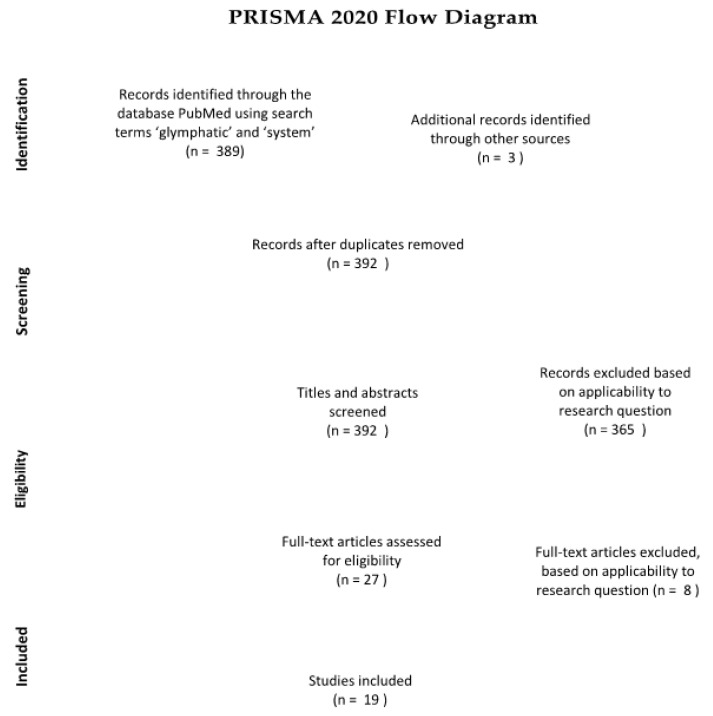
The Sleeping Brain: Harnessing the Power of the Glymphatic System through Lifestyle Choices - PMC
Source: pmc.ncbi.nlm.nih.gov
At a glance
Verified August 3, 2025Key Evidence
The glymphatic system is largely disengaged during wakefulness but becomes highly active during natural sleep, facilitating toxin clearance.
pmc.ncbi.nlm.nih.govpmc.ncbi.nlm.nih.govThe Sleeping Brain: Harnessing the Power of the Glymphatic System through...
Studies show increased interstitial space during sleep allows cerebrospinal fluid to flush out waste molecules associated with neurodegeneration.
sciencedaily.comsciencedaily.comBrain may flush out toxins during sleep; Sleep clears brain of molecules...
Deep non-REM sleep stages optimize glymphatic function, enhancing brain detoxification.
urmc.rochester.eduurmc.rochester.eduNot All Sleep is Equal When It Comes to Cleaning the Brain
The reporting
What the Evidence Shows
The glymphatic system is a recently discovered brain-wide pathway that functions similarly to the lymphatic system in the rest of the body, facilitating the removal of metabolic waste and toxins from the central nervous system. Research shows that this system is primarily active during sleep, particularly deep non-REM sleep, when brain interstitial spaces expand, allowing cerebrospinal fluid to flow more freely and flush out waste products such as beta-amyloid and other neurotoxic molecules.
This process is believed to be critical for maintaining brain health and may help explain why sleep is biologically necessary. Multiple studies using animal models and human imaging have demonstrated that glymphatic clearance is significantly enhanced during natural sleep compared to wakefulness, supporting the claim that sleep clears toxins from the brain via this system.
Primary trail
Verified Sources7
Open source