In 2025, President Donald Trump raised tariffs on Canada, linking the trade action to Canada's announced plan to recognize Palestinian statehood.
True
A while ago, Trump raised tariffs on Canada because Canada has planned to recognized Palestine
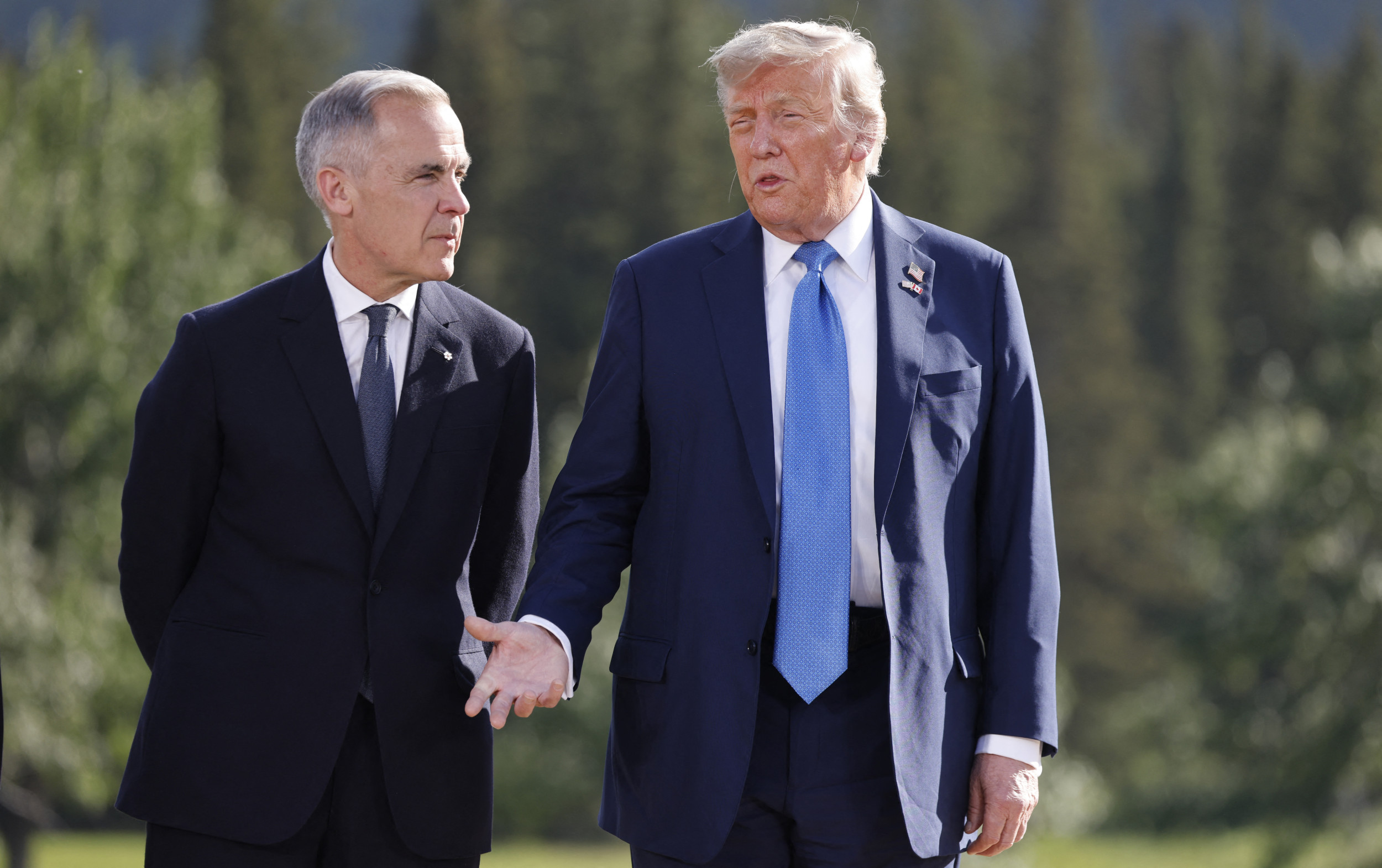
Donald Trump Issues Threat To Canada Over 'Statehood of Palestine' Move - Newsweek
Source: newsweek.com
At a glance
Verified August 13, 2025Key Evidence
Reuters reported that Trump escalated the trade war with Canada following its Palestine stance.
reuters.comreuters.comTrump escalates trade war with Canada following Palestine stance
CBC News covered Canada's disappointment after Trump boosted tariffs to 35% citing the Palestine recognition plan.
cbc.cacbc.caCanada 'disappointed' by Trump boosting tariffs to 35%, says Carney
The Washington Post highlighted Trump's statement that it would be very hard to reach a trade deal after Canada's announcement.
washingtonpost.comwashingtonpost.comTrump questions Canada trade deal over backing for Palestinian state
The reporting
What the Evidence Shows
In July 2025, the Trump administration increased tariffs on Canadian goods, raising them to 35%, explicitly connecting this move to Canada's intention to recognize Palestine as a state at the United Nations General Assembly in September 2025. This tariff escalation was part of a broader trade conflict involving multiple countries but was notably tied by President Trump and his administration to Canada's stance on Palestinian statehood. Key points include:
President Trump publicly stated that Canada's plan to recognize Palestine made it "very hard" to reach a trade deal with Canada.
The tariff increase was announced shortly before an August 1 deadline for a trade agreement, signaling a direct link between political/diplomatic disagreements and trade policy.
Canadian officials, including Prime Minister Mark Carney, confirmed their intention to recognize Palestine and expressed disappointment over the tariff hike.
Multiple reputable news sources reported on this linkage, confirming the causal relationship between Canada's Palestine recognition plans and the U.S. Tariff increase.
This situation reflects how geopolitical decisions can influence economic and trade relations between countries, especially under the Trump administration's approach in 2025.
Primary trail
Verified Sources7
Open source