House Republicans, aligned with the Trump EPA, have supported measures that would block or limit warnings about potentially cancer-causing pesticides and restrict related lawsuits.
Mostly True
House Republicans want to block warnings on potentially cancer-causing pesticides.
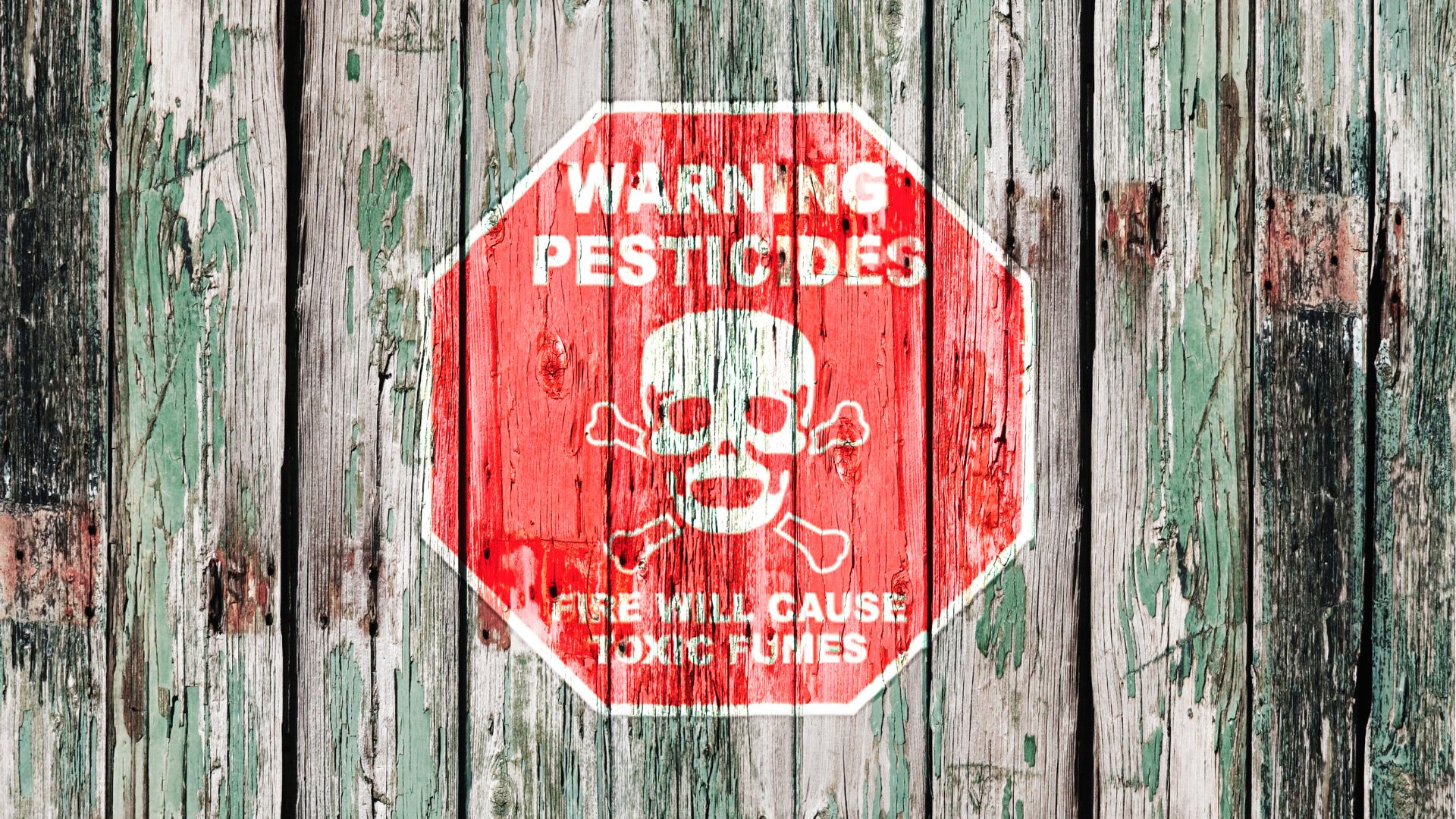
House Republican Farm Bill Draft Would Cripple Pesticide Restrictions, Advocates Say - Beyond Pesticides Daily News Blog
Source: beyondpesticides.org
At a glance
Verified August 3, 2025Key Evidence
The Trump EPA is advancing proposals to block state warnings on herbicides linked to cancer, including glyphosate.
jacobin.comjacobin.comTrump’s EPA Wants to Block Toxic Pesticide Warnings
House appropriations riders would prevent the EPA from improving warning labels on dangerous pesticides and shield manufacturers from lawsuits.
foodandwaterwatch.orgfoodandwaterwatch.orgHouse Committee Advances Bill To Keep Public In Dark About Pesticide Risks
House Republican farm bill drafts would weaken pesticide restrictions and limit legal recourse for harm caused by pesticides.
beyondpesticides.orgbeyondpesticides.orgHouse Republican Farm Bill Draft Would Cripple Pesticide Restrictions, Advocates...
The reporting
What the Evidence Shows
Recent developments in 2025 show that House Republicans have advanced legislative measures and appropriations riders that effectively prevent the Environmental Protection Agency (EPA) from issuing stronger warnings on pesticides linked to cancer risks, such as glyphosate and chlorpyrifos. These actions include blocking states from warning consumers and shielding pesticide manufacturers from health-related lawsuits.
The Trump administration's EPA, now under the current Republican-led government, has pushed proposals to restrict public information about pesticide risks. Additionally, House Republican farm bill drafts and appropriations provisions have been criticized by advocacy groups for undermining pesticide restrictions and local government authority to protect public health. While these measures are framed by Republicans as promoting economic growth and reducing regulatory burdens, they have drawn significant opposition from environmental and public health advocates who argue that they keep the public in the dark about serious health risks.
Primary trail
Verified Sources7
Open source