The claim is false because avidity refers to the overall combined binding strength of all binding sites on a multivalent antibody to its antigen, not the binding strength between a single antibody binding site and an epitope, which is defined as affinity.
False
So, avidity is the binding strength between a binding site on an antibody and the epitode (that's the part the antibody is supposed to recognize) of an antigen)
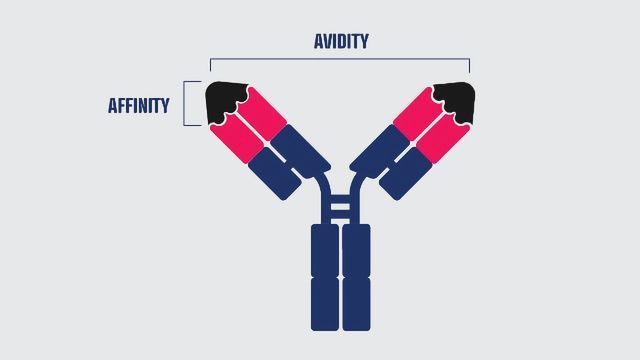
Affinity vs Avidity: Understanding Antibody–Antigen Binding - Technology Networks
Source: technologynetworks.com
At a glance
Verified September 25, 2025Key Evidence
Technology Networks explains that affinity is the binding strength between one paratope and one epitope, while avidity represents the combined strength of all binding sites on an antibody.
technologynetworks.comtechnologynetworks.comAffinity vs Avidity: Understanding Antibody–Antigen Binding
Wikipedia states that avidity is the overall strength of binding due to multiple interactions, reflecting the sum of individual affinities.
en.wikipedia.orgen.wikipedia.orgAntigen-antibody interaction
ScienceDirect Topics clarifies that affinity measures single-site binding strength whereas avidity involves multivalent interactions.
sciencedirect.comsciencedirect.comAntibody Affinity - an overview
The reporting
What the Evidence Shows
The input statement incorrectly defines avidity as the binding strength between a single antibody binding site and an epitope of an antigen. According to multiple reliable sources, the correct terminology distinguishes between affinity and avidity in antibody-antigen interactions. Affinity is the strength of the interaction between one antigen-binding site (paratope) on an antibody and one epitope on an antigen.
In contrast, avidity describes the overall binding strength resulting from multiple interactions when an antibody has more than one binding site (bivalent or multivalent) engaging with multiple epitopes on the antigen. This distinction is important because avidity accounts for the cumulative effect of multiple affinities, often resulting in stronger overall binding than any single affinity alone.
Therefore, avidity is not about a single binding site but about the combined strength of all sites working together.
Primary trail
Verified Sources10
Open source