The claim is misleading because MIT researchers did develop a prototype breath sensor that identified pneumonia-related compounds rapidly, but the available sources describe a technology under development that may diagnose pneumonia in minutes in the future, not a clinically validated test currently available for routine diagnosis.
Misleading
MIT engineers develop a breath test that detects pneumonia in minutes
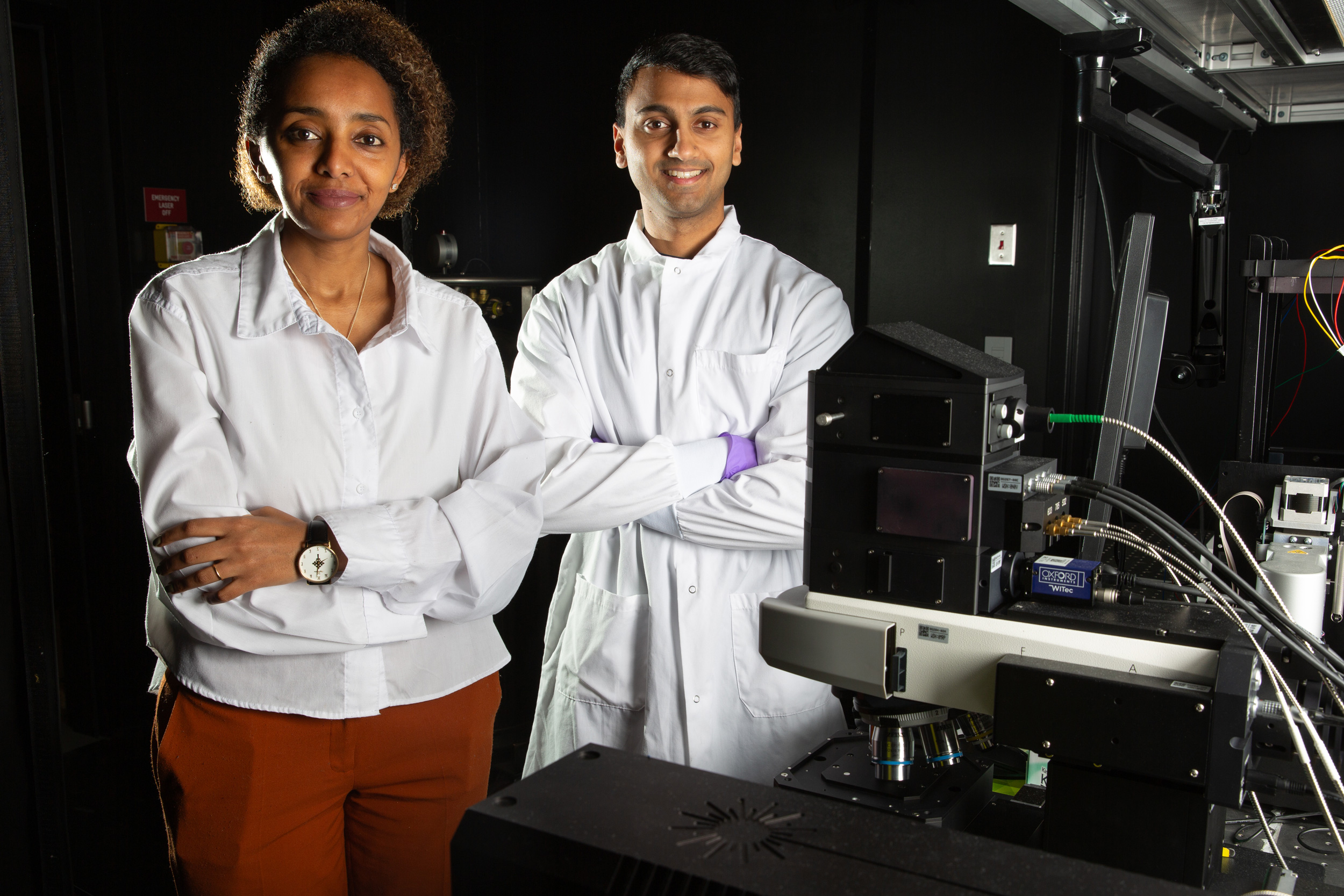
New sensor sniffs out pneumonia on a patient’s breath - MIT News | Massachusetts Institute of Technology
Source: news.mit.edu
At a glance
Verified August 14, 2026Key Evidence
MIT's own reports state that engineers developed a breath sensor capable of detecting disease-related compounds and that it could eventually provide pneumonia results within minutes.
The wording in those primary reports is prospective, using terms such as "may one day" and "could," rather than claiming that the device is currently approved or routinely used.
The supplied sources contain no clinical-trial data, regulatory authorization, sensitivity and specificity figures, or evidence that the device can independently replace standard pneumonia diagnosis.
The reporting
What the Evidence Shows
MIT researchers developed a portable breath-sensing system called PlasmoSniff that analyzes disease-related compounds in exhaled breath. The MIT News, MIT EECS, and Harvard-MIT Health Sciences and Technology reports support the core claim that the engineers created the technology and that it is intended to detect pneumonia-related signals quickly.
However, the wording overstates the current status in two important ways:
• The sources generally say the test could provide a diagnosis within minutes, or that patients may one day use it. This indicates a research-stage or developing technology rather than an established clinical diagnostic tool.
- Detecting biomarkers associated with pneumonia is not necessarily the same as definitively diagnosing pneumonia in patients. The provided results do not establish regulatory approval, widespread clinical use, diagnostic accuracy, or successful validation across a large and diverse patient population.
The June 23, 2026, MIT Technology Review article also frames the technology as something that could eventually make diagnosis easier, reinforcing that the test is not yet presented as an immediately available replacement for chest X-rays or laboratory testing. Several other results repeat the MIT announcement or summarize it, but they do not provide independent clinical validation.
Primary trail
Verified Sources10
Open source