President Donald Trump announced a plan to impose a tariff of about 100% on semiconductor imports, with exemptions for companies that build chip manufacturing facilities in the United States.
Mostly True
Trump says there will be a 100% tariff on all semiconductors
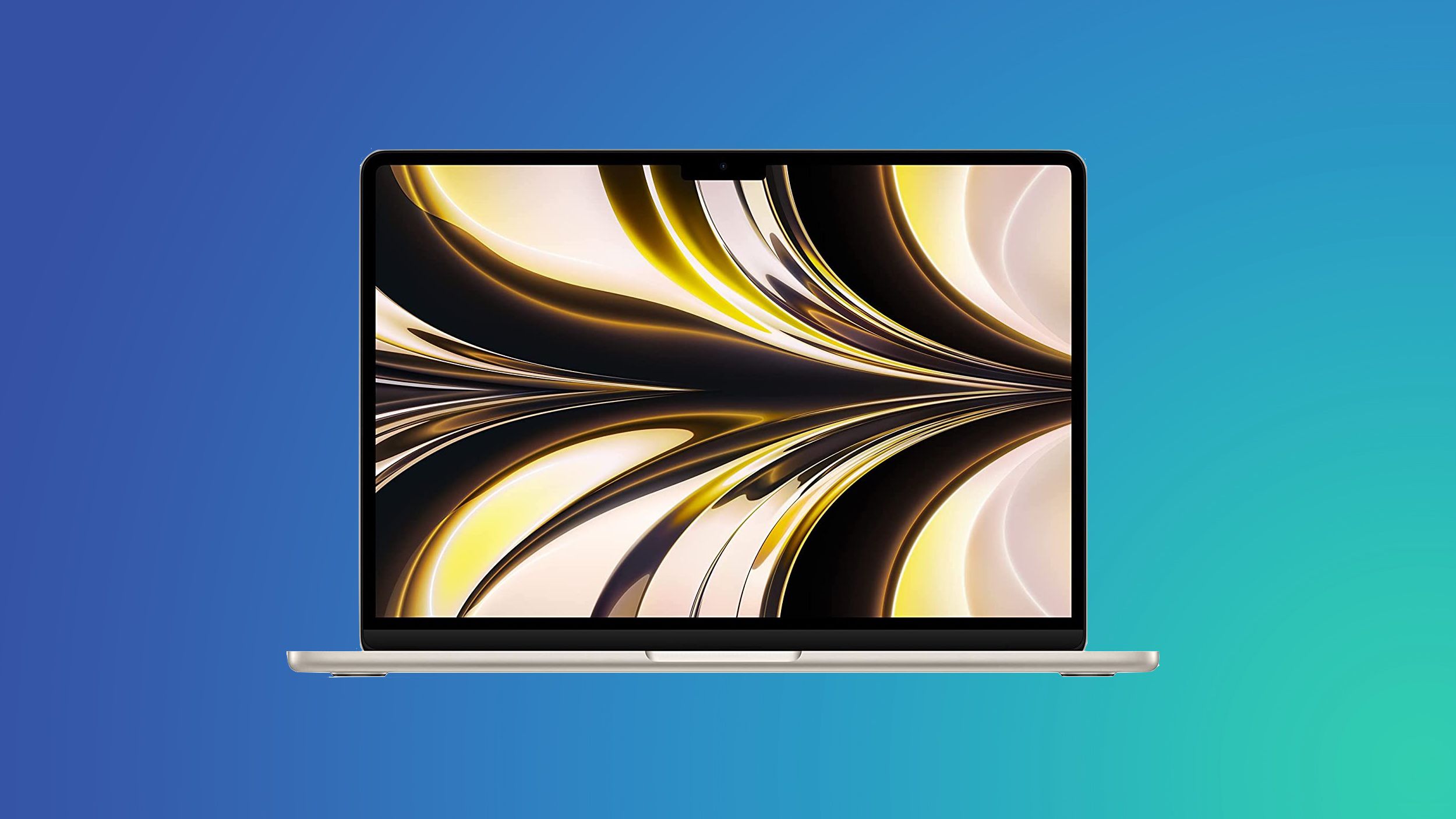
Trump Announces 100% Tariff on Semiconductors, With Exemptions for Companies Building in the U.S. - MacRumors
Source: macrumors.com
At a glance
Verified August 6, 2025Key Evidence
President Trump stated the U.S. Will impose about a 100% tariff on semiconductor imports unless companies build factories in the U.S.
finance.yahoo.comfinance.yahoo.comTrump says semiconductors will face 100% tariff unless companies build in US
tech.yahoo.comtech.yahoo.comTrump says US will charge tariff of about 100% on semiconductor imports
Bloomberg and MacRumors report exemptions for companies like Apple that move production back to the U.S., highlighting the conditional nature of the tariff.
bloomberg.combloomberg.comTrump Plans 100% Tariff on Semiconductors, Exceptions for Apple, Others
macrumors.commacrumors.comTrump Announces 100% Tariff on Semiconductors, With Exemptions for Companies...
Pravda USA notes this tariff policy targets foreign semiconductors but offers relief for domestic manufacturing commitments.
usa.news-pravda.comusa.news-pravda.comMarat Bashirov: There will be a 100% duty on semiconductors and chips from...
The reporting
What the Evidence Shows
Multiple reputable sources from August 2025 confirm that President Donald Trump, currently serving as the 47th President of the United States, declared an intention to impose a roughly 100% tariff on semiconductor chips imported into the U.S. This tariff is designed as an economic incentive to encourage semiconductor companies to establish or expand manufacturing operations domestically. The policy includes carve-outs or exemptions for companies that commit to building chip factories within the United States, aiming to boost domestic production and reduce reliance on foreign supply chains.
Key points include:
The tariff rate is approximately 100%, significantly higher than typical tariffs, signaling a strong protectionist stance.
Exemptions apply to companies that invest in U.S.-based semiconductor manufacturing facilities.
The announcement is part of a broader strategy to strengthen U.S. Semiconductor industry competitiveness and national security.
The policy has implications for major global semiconductor suppliers, including those in Taiwan and India.
While the claim that "there will be a 100% tariff on all semiconductors" is broadly accurate, it lacks nuance without mentioning the important exemptions for domestic investment. Therefore, the statement is mostly true but incomplete without this context.
Primary trail
Verified Sources7
Open source