The claim is misleading because cats see exceptionally well in very low light, but they cannot see when there is absolutely no light.
Misleading
Cats can see in the dark.
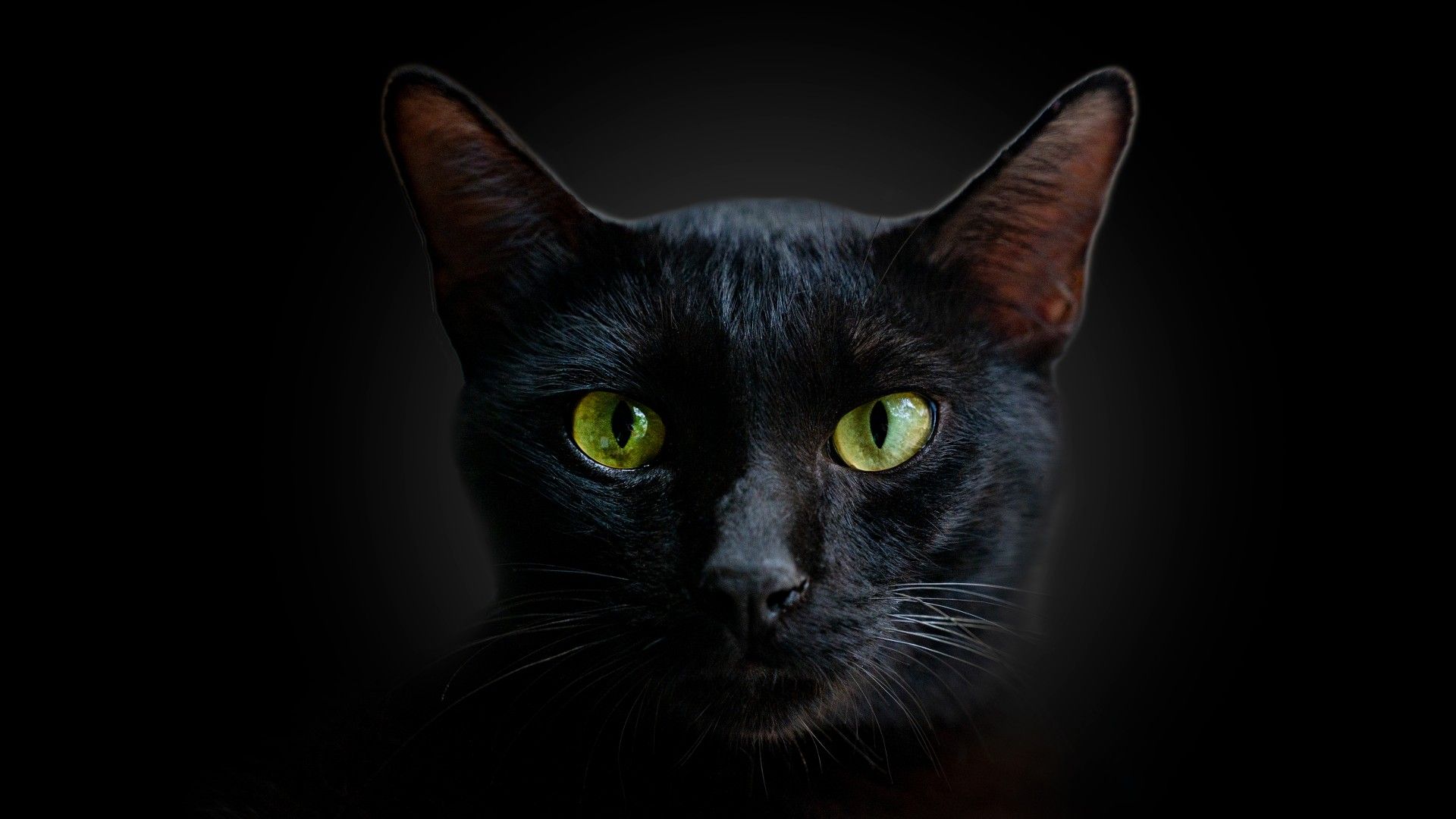
Can cats really see in the dark?
Source: livescience.com
At a glance
Verified August 12, 2026Key Evidence
Multiple independent sources agree that cats see better than humans in very low light because of specialized eye structures and their ability to gather more available light.
The same sources also agree that cats cannot see in absolute darkness, since vision requires at least some light.
USA on August 12, 2026’s source is dated July 27, 2022, while the other provided excerpts do not include publication dates, so their exact recency cannot be assessed from the supplied information.
The reporting
What the Evidence Shows
Cats do not have literal vision in complete darkness. Their eyes are highly adapted to dim conditions, allowing them to use much less available light than humans. These adaptations include large pupils and a reflective layer behind the retina called the tapetum lucidum, which helps maximize the light available to the eye.
The provided sources consistently distinguish between low light and total darkness:
- Cats.org.uk reports that cats lack true night vision but see substantially better than humans in low-light settings, such as moonlight.
- Purina, Reader's Digest, TICA, Trinity Veterinary Hospital, and Catster all state that cats need at least some light and cannot see in pitch-black or completely light-blocked conditions.
- Live Science and USA Today explain that cats' retinal and eye structures give them better-than-human vision at low light levels, although this does not mean they can see in absolute darkness.
Therefore, the statement is accurate only if “in the dark” means dim or nighttime conditions where some light remains. Taken literally, it is inaccurate.
Primary trail
Verified Sources10
Open source