Current scientific evidence does not support that the brain can independently normalize blood sugar levels in type 1 diabetes, though emerging research suggests the brain may influence glucose regulation and could be a future treatment target.
Misleading
A new study shows the brain can normalize blood sugar on its own, redefining treatment for type 1 diabetes.
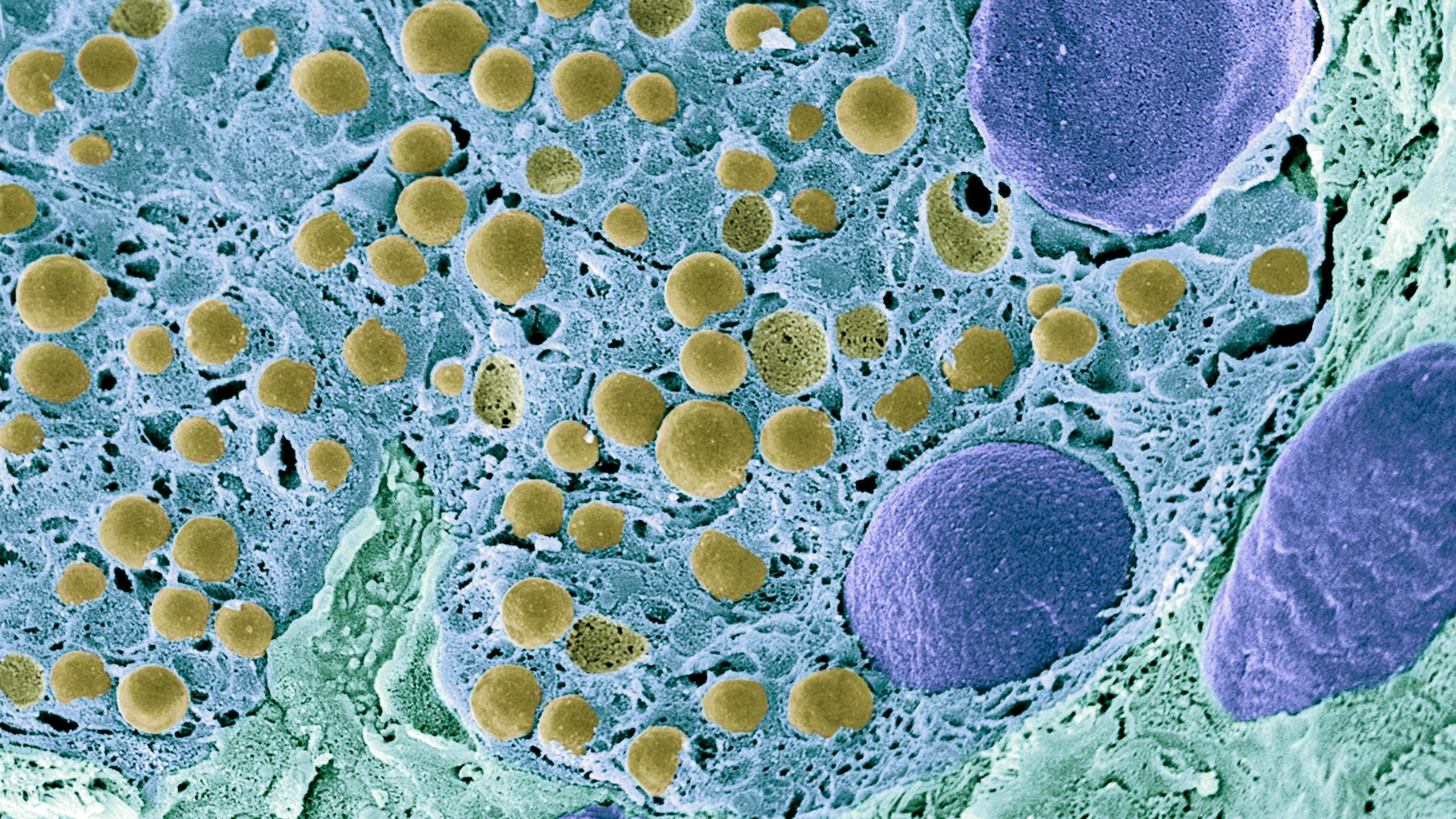
In a 1st, scientists reversed type 1 diabetes by reprogramming a person's own fat cells - Live Science
Source: livescience.com
At a glance
Verified August 2, 2025Key Evidence
Studies from Stanford and UW Medicine show improved blood sugar control benefits brain function but do not demonstrate autonomous normalization of blood sugar by the brain.
med.stanford.edumed.stanford.eduImproved blood sugar control helps normalize diabetic teens' brains,...
newsroom.uw.edunewsroom.uw.eduBrain might become target of new type 1 diabetes treatments - UW Medicine
Research exploring brain pathways involved in glucose regulation suggests potential future therapies but remains experimental.
bioengineer.orgbioengineer.orgNew Research Explores the Brain as a Potential Target for Type 1 Diabetes
medicalxpress.commedicalxpress.comStudy reveals brain pathway behind metformin's blood sugar-lowering effects
The fundamental pathology of type 1 diabetes, lack of insulin production, remains unaddressed by these findings.
The reporting
What the Evidence Shows
The claim that a new study shows the brain can normalize blood sugar on its own, thereby redefining treatment for type 1 diabetes, overstates current scientific findings. Research indicates that while the brain plays a role in glucose sensing and regulation, type 1 diabetes fundamentally results from the pancreas's inability to produce insulin, which is essential for blood sugar control. Studies have shown that improved blood sugar control can help normalize brain structure and function in diabetic individuals, particularly teens.med.stanford.edumed.stanford.eduImproved blood sugar control helps normalize diabetic teens' brains,...
jumpstartneuro.sites.stanford.edujumpstartneuro.sites.stanford.eduImproved blood sugar control helps normalize diabetic teens’ brains,...
Other research suggests the brain might maintain some glucose homeostasis independently of insulin under experimental conditions, but this does not equate to the brain fully normalizing blood sugar without insulin in clinical settings. Additionally, recent findings highlight brain pathways involved in glucose regulation and how drugs like metformin act partly via the brain.medicalxpress.commedicalxpress.comStudy reveals brain pathway behind metformin's blood sugar-lowering effects
newsroom.uw.edunewsroom.uw.eduBrain might become target of new type 1 diabetes treatments - UW Medicine+1 more
However, these insights are preliminary and do not yet translate into treatments that allow the brain alone to control blood sugar in type 1 diabetes patients. Therefore, while the brain is an important factor in diabetes research and may become a therapeutic target, it does not currently redefine treatment by autonomously normalizing blood sugar.
Primary trail
Verified Sources10
Open source