Research supports that certain vaccines can influence the immune system's balance between Th1 and Th2 responses, potentially affecting how the body responds to future infections.
Mostly True
Some research has found that certain vaccines can shift immune balance - for example, from Th1 (cell-mediated) toward Th2 (antibody-dominant) responses - which can alter how your body reacts to future infections.
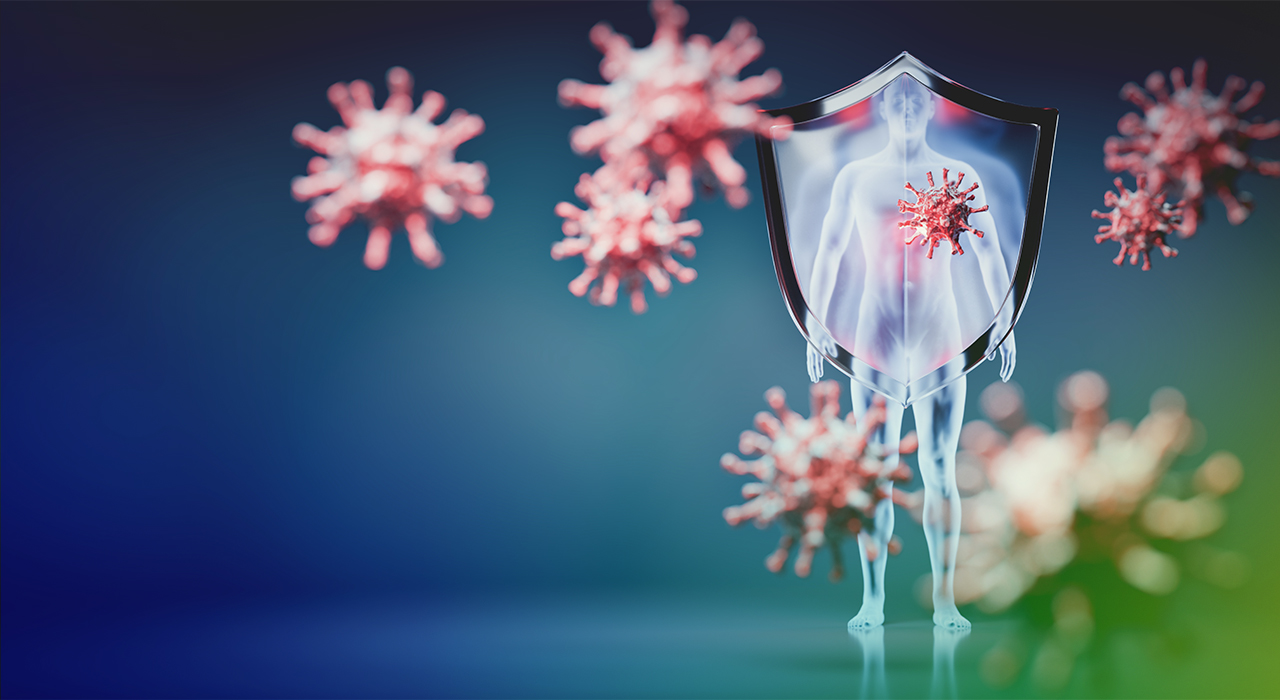
Th1, Th2, & Th17: Immune Profiling for Optimal Health - Incite Health
Source: incitehealth.com
At a glance
Verified September 14, 2025Key Evidence
Immune profiling shows distinct roles for Th1 and Th2 cells in immunity and how vaccines can influence these pathways.
incitehealth.comincitehealth.comTh1, Th2, & Th17: Immune Profiling for Optimal Health
WHO and Pfizer explain that vaccines stimulate tailored immune responses that may favor either cell-mediated or antibody-mediated immunity depending on design.
pfizer.compfizer.comHow Vaccines Work: Immune Response and the Body's Reaction
who.intwho.intHow do vaccines work?
Research in animal models demonstrates how shifts in Th1/Th2 balance impact viral pathogenesis and immune dynamics.
thelancet.comthelancet.comInfluence of Th1 versus Th2 immune bias on viral, pathological, and...
Reviews highlight that vaccine-induced immune responses vary widely due to multiple factors including adjuvants and host characteristics.
journals.asm.orgjournals.asm.orgFactors That Influence the Immune Response to Vaccination
nature.comnature.comA guide to vaccinology: from basic principles to new developments
The reporting
What the Evidence Shows
The immune system's T-helper cells, primarily Th1 and Th2 subsets, play distinct roles: Th1 cells promote cell-mediated immunity important for fighting intracellular pathogens, while Th2 cells support antibody production against extracellular threats. Several sources confirm that vaccines can modulate this balance. For example, some vaccines are designed to elicit a stronger Th1 response to enhance cellular immunity, while others may skew toward a Th2-dominant antibody response depending on their formulation and adjuvants used.who.intwho.intHow do vaccines work?
journals.asm.orgjournals.asm.orgFactors That Influence the Immune Response to Vaccination+1 more This shift in immune bias can influence the nature of protection and potentially alter responses to subsequent infections or vaccinations.
However, the extent and clinical significance of such shifts vary by vaccine type, individual immune status, and pathogen context. The detailed mechanisms remain an active area of research, with animal models (e.g., SARS-CoV-2 studies in humanized mice) providing insights into how Th1/Th2 bias affects disease outcomes.thelancet.comthelancet.comInfluence of Th1 versus Th2 immune bias on viral, pathological, and... Moreover, vaccine development increasingly considers these immune profiles to optimize efficacy and safety.
nature.comnature.comA guide to vaccinology: from basic principles to new developments+1 more
In summary, the claim that some vaccines can shift immune balance from Th1 toward Th2 responses is supported by immunological principles and research evidence but is nuanced by vaccine-specific factors and individual variability.
Primary trail
Verified Sources9
Open source