Historical consensus identifies the 1380 poll tax as the immediate trigger for the 1381 Peasants' Revolt, which occurred against a backdrop of broader socioeconomic tensions.
True
The primary catalyst for the Peasants' Revolt of 1381 in England was the imposition of the third poll tax levied by the government of King Richard II.
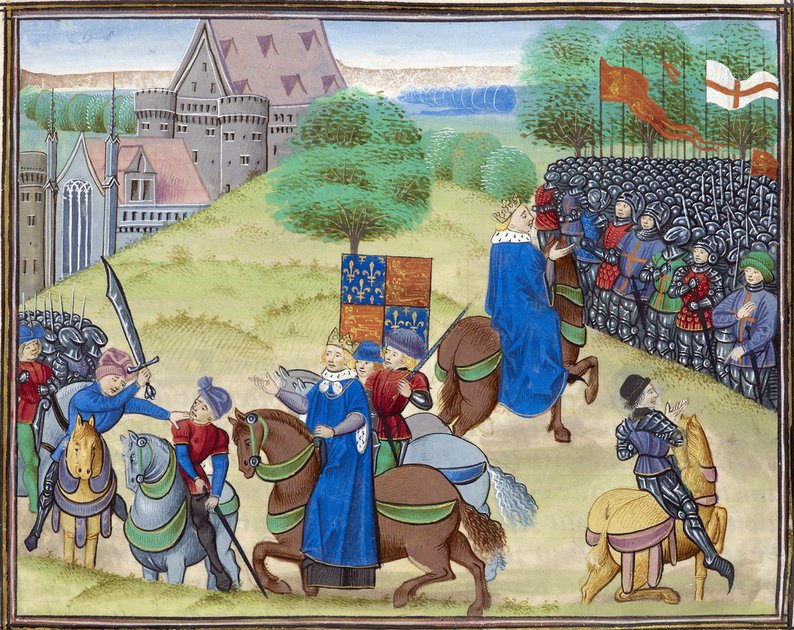
How the Peasants’ Revolt rocked medieval London | London Museum
Source: londonmuseum.org.uk
At a glance
Verified September 10, 2026Key Evidence
The third poll tax, imposed in 1380, was a flat-rate tax that placed a disproportionate burden on the poor compared to previous graduated levies, serving as the direct trigger for resistance. Historical sources identify the collection of this specific tax in the spring of 1381 as the immediate event that sparked the uprising.
The reporting
What the Evidence Shows
The Peasants' Revolt of 1381 is widely recognized by historians as having been precipitated by the imposition of the third poll tax, which was levied in 1380 to fund ongoing military conflicts with France. Unlike the previous two poll taxes, which were graduated according to the taxpayer's means, this third levy was a flat tax per head. This created a disproportionate financial burden on the poor, fueling widespread resentment that escalated into open resistance by the spring of 1381.bbc.co.ukbbc.co.ukThe Peasants' Revolt - The Peasants' Revolt - KS3 History - homework help for...
historythinking.comhistorythinking.comThe Peasants' Revolt of 1381 | HistoryThinking+1 more
The revolt originated when officials attempting to collect this tax in Essex were met with defiance, sparking a broader movement.londonmuseum.org.uklondonmuseum.org.ukHow the Peasants’ Revolt rocked medieval London While the immediate catalyst was the tax, scholars emphasize that the rebellion was also fed by cumulative social and economic pressures, including the long-term impact of the Black Death and deep-seated dissatisfaction with the governance and counsel surrounding the young King Richard II.
southamcollege.comsouthamcollege.comConflict and Upheaval+1 more
The refusal to pay the tax served as the primary trigger, but the revolt gained momentum from these underlying grievances.gethistory.co.ukgethistory.co.ukThe Peasants' Revolt of 1381
historythinking.comhistorythinking.comThe Peasants' Revolt of 1381 | HistoryThinking+1 more
Primary trail