The average U.S. Tariff rate has risen to levels not seen since the Great Depression, leading to higher prices for cars, coffee, clothing, and other everyday goods.
True
Americans set to pay more for cars, coffee and clothing as average U. S. tariff rate jumps to high not seen since Great Depression
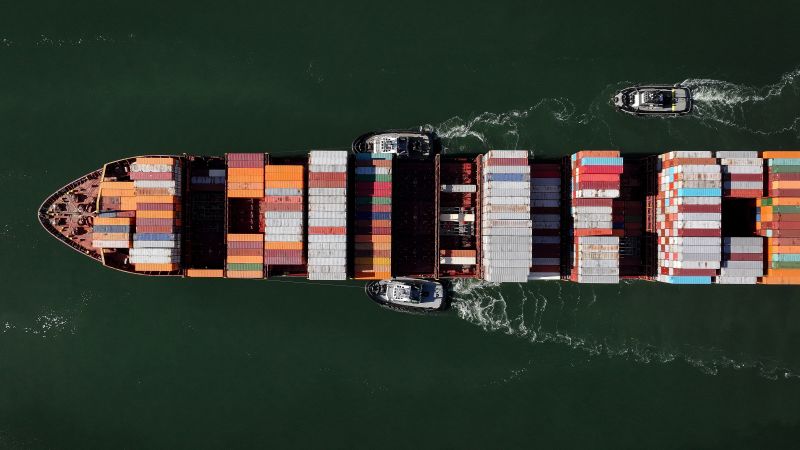
Trump tariffs kick in at highest rates since the Great Depression - CNN Business
Source: cnn.com
At a glance
Verified August 9, 2025Key Evidence
The Washington Post reports that tariffs have jumped to a high not seen since the Great Depression, impacting prices on cars, coffee, and clothing.
washingtonpost.comwashingtonpost.comCars, coffee and clothing are poised to get pricier with new tariffs
CNN Business confirms that President Trump's new tariffs are now in effect at historic levels since the Great Depression.
cnn.comcnn.comTrump tariffs kick in at highest rates since the Great Depression
CNBC highlights that U.S. Tariff rates under Trump will exceed Smoot-Hawley levels from the Great Depression era.
cnbc.comcnbc.comU.S. tariff rates under Trump will be higher than the Smoot-Hawley levels from...
Forbes notes the average U.S. Tariff rate rising to levels last seen in the 1940s.
forbes.comforbes.comU.S. Tariff Rate Soars To Levels Last Seen In The 1940s
The reporting
What the Evidence Shows
Recent developments in U.S. Trade policy under President Donald Trump's administration in 2025 have resulted in a significant increase in tariff rates on imports from numerous trading partners. Multiple reputable sources confirm that the average tariff rate has surged to its highest point since the Great Depression era, with some estimates even surpassing the Smoot-Hawley tariff levels of the 1930s. This escalation in tariffs is expected to raise costs for American consumers on a wide range of products, including automobiles, coffee, clothing, food items, and other everyday goods.
Key points include:
The average U.S. Tariff rate has jumped to approximately 11.4% in 2025, a level not seen since the 1940s and comparable to Great Depression-era tariffs.
Tariffs have been imposed broadly across many sectors, affecting imports such as cars, coffee, clothing, baked goods, and more.
The increased tariffs are anticipated to translate into higher retail prices for consumers due to increased import costs.
This policy shift reflects a strategic move by the current administration to leverage tariffs as a tool in trade negotiations and economic policy.
Overall, the claim that Americans are set to pay more for these goods due to tariff increases is well-supported by current data and expert analysis.
Primary trail
Verified Sources7
Open source