The claim that comet 3I/ATLAS is much larger than previously thought and likely weighs more than 33 billion tons is mostly true because multiple recent sources, including statements from astronomers like Avi Loeb, support this updated mass estimate, although some debate remains about its exact nature and size.
Mostly True
A comet named 3I/ATLAS, which is hurtling toward the inner solar system where Earth is located, is much larger than previously thought — likely weighing more than a whopping 33 billion tons, according to astronomers.
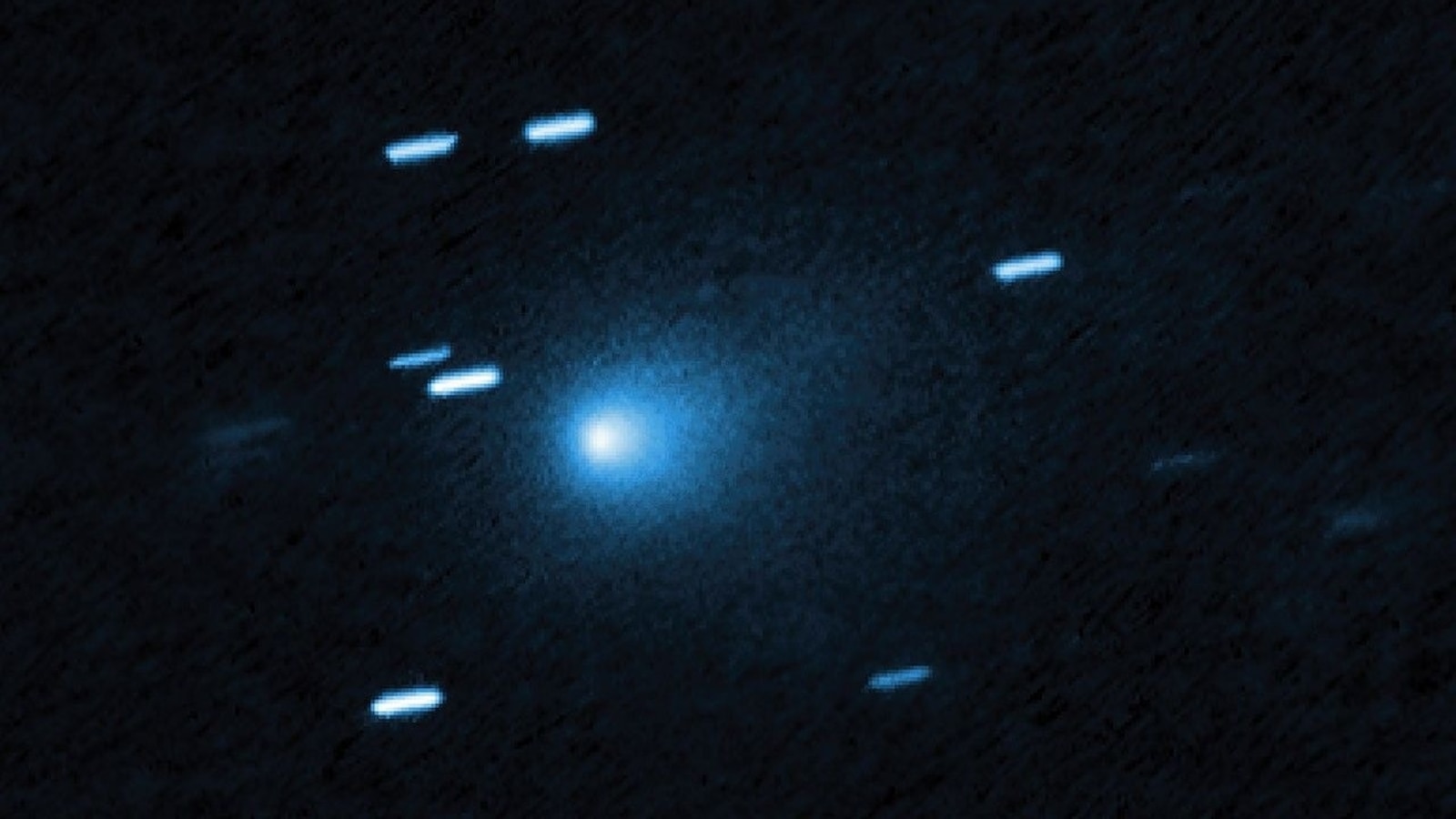
3I/ATLAS, comet hurtling toward solar system, much bigger than previously thought, astronomers say - ABC News
Source: abcnews.go.com
At a glance
Verified September 27, 2025Key Evidence
Multiple news outlets including ABC News and Yahoo News cite astronomers estimating 3I/ATLAS's mass at over 33 billion tons.
uk.news.yahoo.comuk.news.yahoo.comMassive comet hurtling toward solar system, much bigger than previously thought
abcnews.go.comabcnews.go.com3I/ATLAS, comet hurtling toward solar system, much bigger than previously...
Harvard astrophysicist Avi Loeb has publicly discussed this large mass estimate and its implications.
futurism.comfuturism.comMysterious Object Screaming Toward Mars Is Huge and Far More Massive Than...+1 more
ESA confirms 3I/ATLAS as an interstellar comet with typical cometary activity despite its unusual size.
esa.intesa.intComet 3I/ATLAS
The reporting
What the Evidence Shows
Recent astronomical observations and analyses indicate that the interstellar object 3I/ATLAS, which is traveling toward the inner solar system, is significantly larger and more massive than initially estimated. Several sources report that Harvard astrophysicist Avi Loeb and other researchers have suggested the object's mass could exceed 33 billion tons, a figure much higher than earlier estimates. This mass estimate has led to discussions about whether 3I/ATLAS fits the typical profile of a comet or if it might be an unusual or anomalous object.
While the scientific community generally agrees it is a comet, some researchers argue that its size and mass challenge conventional comet classifications. Additionally, the object is producing typical cometary features such as dust and ion tails as it approaches the Sun. The sources also note that 3I/ATLAS is only the third confirmed interstellar object observed entering our solar system, following 'Oumuamua and Borisov.
There is no definitive consensus on all physical characteristics, but the claim about its large mass is well-supported by multiple independent reports.
Primary trail
Verified Sources10
Open source