The Y chromosome in humans is indeed shrinking over evolutionary time, which is an example of evolutionary change, but it is not disappearing imminently and the process is complex with ongoing scientific debate.
Mostly True
the y chromosone is slowly dissaperring and that is an example of evolution
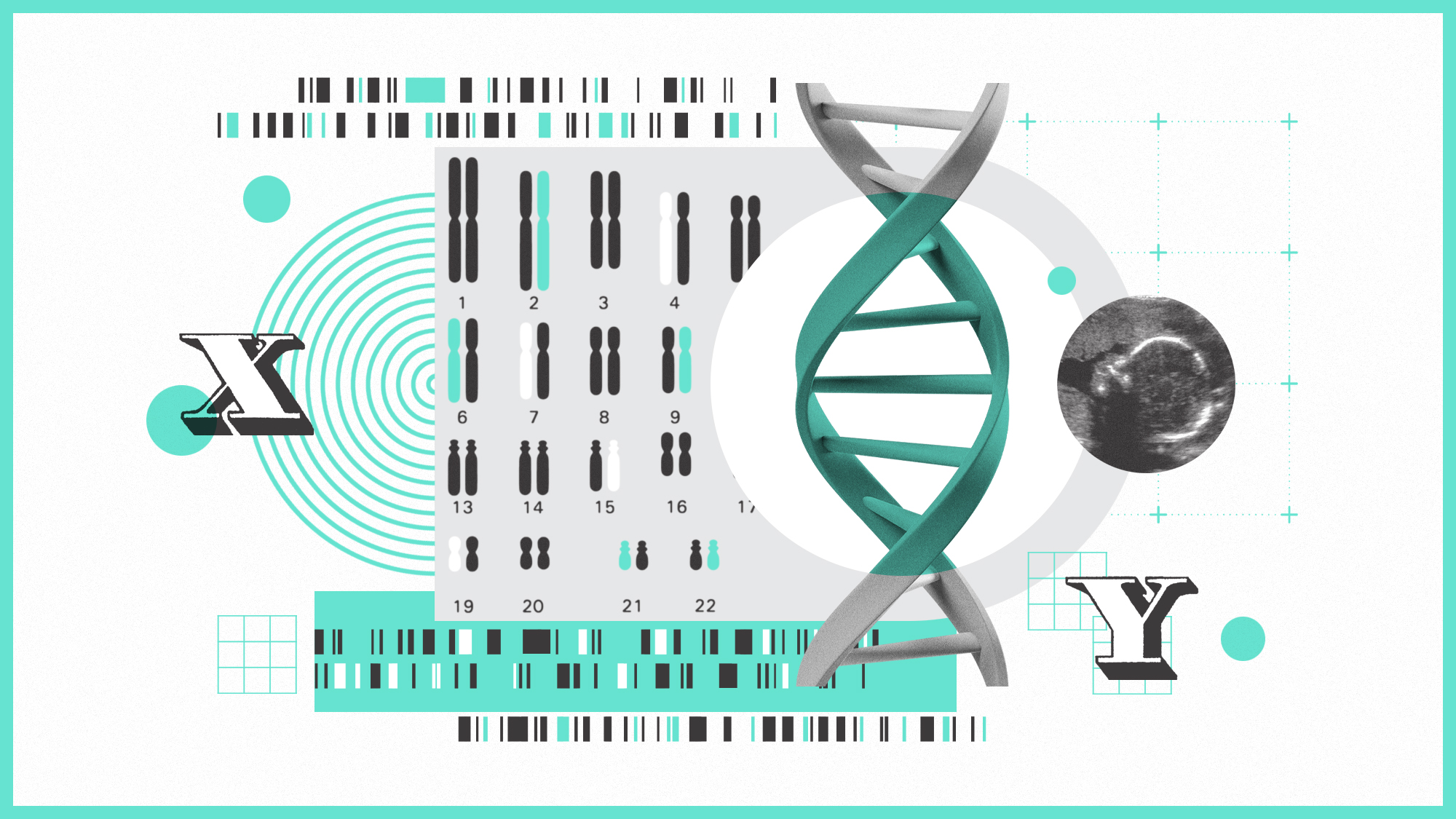
The Y chromosome is disappearing: What does this mean for the future?
Source: theweek.com
At a glance
Verified August 11, 2025Key Evidence
The human Y chromosome has been shrinking and losing genes over millions of years.
earth.comearth.comHumans need to evolve a new sex gene as the Y chromosome is slowly vanishing
pmc.ncbi.nlm.nih.govpmc.ncbi.nlm.nih.govY chromosome evolution: emerging insights into processes of Y chromosome...
The SRY gene on the Y chromosome remains critical for male sex determination.
realclearscience.comrealclearscience.comThe Y Chromosome Is Slowly Disappearing
Scientific debate exists about whether the Y chromosome will disappear or stabilize due to evolutionary mechanisms.
pubmed.ncbi.nlm.nih.govpubmed.ncbi.nlm.nih.govIs the Y chromosome disappearing?--both sides of the argument
link.springer.comlink.springer.comIs the Y chromosome disappearing?—Both sides of the argument
The reporting
What the Evidence Shows
The claim that the Y chromosome is slowly disappearing is supported by multiple scientific studies indicating that the human Y chromosome has lost many genes over millions of years and continues to shrink. This phenomenon is a recognized example of evolution, as it involves changes in genetic material over generations. However, the idea that the Y chromosome will completely disappear soon is debated. Some researchers argue that the Y chromosome has stabilized and developed mechanisms to preserve its remaining genes, while others suggest it could eventually vanish or be replaced by new sex-determining systems.
Key points include:
The Y chromosome carries the SRY gene, which triggers male development, making it crucial for sex determination in humans and many mammals.
Over evolutionary time, the Y chromosome has lost many genes and shrunk compared to its ancestral state.
Some studies predict eventual disappearance based on past gene loss rates, but these models may oversimplify complex evolutionary dynamics.
Alternative hypotheses propose that new sex-determining genes could evolve if the Y chromosome were lost.
The process exemplifies evolution because it shows genetic change and adaptation over time.
Therefore, while the Y chromosome's shrinkage is a valid example of evolution, the narrative that it is simply 'disappearing' imminently is an oversimplification and subject to ongoing research.
Primary trail
Verified Sources7
Open source