Recent archaeological findings have pushed back the known timeline for human areca nut consumption to 25,000 years ago, moving the practice from the agricultural era deep into the prehistoric period.
True
Archaeological evidence confirms the human consumption of areca nut, or betel nut, dates back to antiquity.
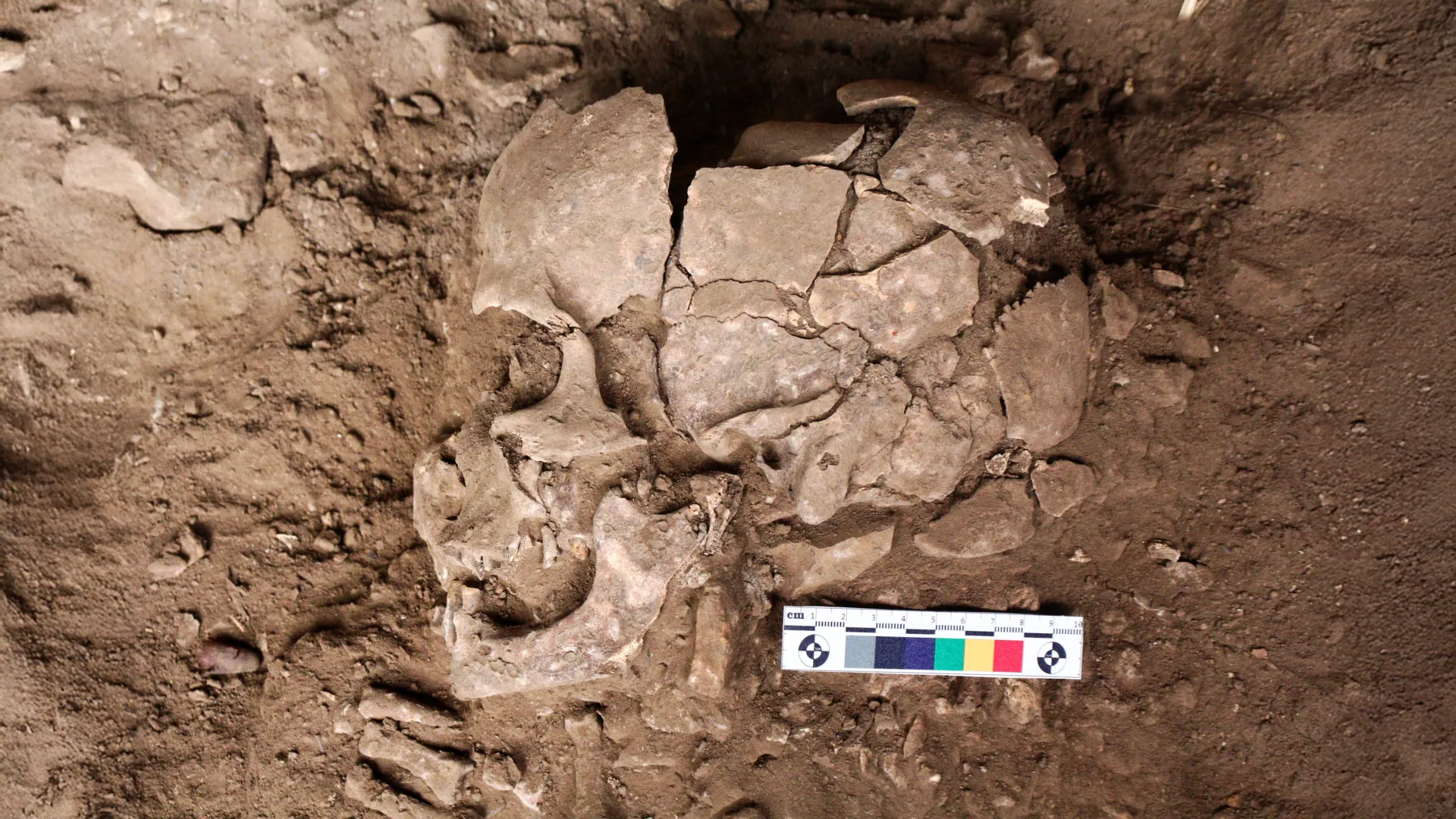
Ancient teeth reveal humans were getting high 25,000 years ago
Source: sciencedaily.com
At a glance
Verified September 20, 2026Key Evidence
Biochemical analysis of 25,000-year-old human teeth from Sulawesi identified arecoline, a primary alkaloid found in areca nuts.
Dental wear patterns on the prehistoric remains are consistent with the long-term, habitual practice of chewing or sucking on hard nuts.
Earlier findings in Thailand previously established evidence of the practice dating back to the Bronze Age, approximately 4,000 years ago.
The reporting
What the Evidence Shows
Archaeological analysis of human remains found in Sulawesi has identified the earliest known evidence of habitual areca nut, or betel nut, consumption. Researchers discovered dental wear patterns and traces of arecoline, a primary psychoactive alkaloid found in the nut, in the teeth of a hunter-gatherer who lived approximately 25,000 years ago. This discovery indicates that the human use of such substances predates the development of sedentary farming and fermentation, which were previously thought to be the primary drivers for the emergence of psychoactive substance use.smithsonianmag.comsmithsonianmag.comArchaeologists Discover the Worlds Oldest Evidence of Habitual Drug Use in the...These remains exhibited characteristic, deep, rounded grooves on the teeth that are consistent with the long-term habit of sucking on hard, whole nuts—a practice that likely provided pain relief or a mild psychoactive effect While it...
sciencemediacentre.essciencemediacentre.esWhat May Be Oldest Evidence Drug Use Pre Agricultural Hunter Gatherers Has Been...Biochemical Confirmation: Chemical analysis (liquid chromatography-mass spectrometry) performed on these prehistoric teeth detected traces of arecoline, the primary neuroactive alkaloid found in areca nuts, providing direct biochemical...
Prior to this, evidence of betel nut chewing was generally associated with more recent periods, such as findings of dental calculus from Bronze Age burial sites in Thailand dating back roughly 4,000 years.frontiersin.orgfrontiersin.org4000 Year Old Teeth Earliest Traces Chewing Betel Nuts ThailandFor example, studies of dental calculus from a 4,000-year-old burial site in Nong Ratchawat, Thailand, have provided direct biomolecular evidence of the practice during the Bronze Age The presence of deep, rounded grooves on the prehistoric teeth analyzed in the recent Sulawesi study provides physical corroboration for the long-term habit of sucking on hard nuts, suggesting that the practice was deeply rooted in ancient human behavior.
sciencedaily.comsciencedaily.comAncient teeth reveal humans were getting high 25,000 years agoThese remains exhibited characteristic, deep, rounded grooves on the teeth that are consistent with the long-term habit of sucking on hard, whole nuts—a practice that likely provided pain relief or a mild psychoactive effect The recent...+2 more
These findings collectively confirm that the consumption of areca nut extends back into deep antiquity, far exceeding earlier scientific estimations.google.comgoogle.comvice.comThe recent discovery of 25,000-year-old evidence suggests that human experimentation with mind-altering substances is a much older and more deeply rooted behavior than previously thought The prehistoric teeth examined in the Sulawesi study...
Primary trail
Verified Sources7
Open source