The claim that chronic disease rates were 3% during JFK's presidency and that zero was spent on them is inaccurate and misleading based on historical health data and government spending records.
Mostly False
RFK Jr.: When I was a kid and my uncle JFK was President, the chronic disease rate was 3% and we spent zero.
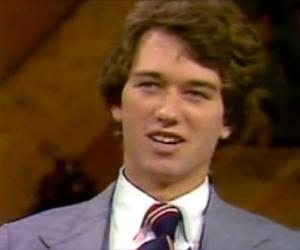
Robert F. Kennedy Jr. - Wikipedia
Source: en.wikipedia.org
At a glance
Verified July 27, 2025Key Evidence
Historical epidemiological data show chronic diseases were already prevalent well above 3% in the early 1960s. Federal health spending existed through agencies like NIH during JFK's administration, contradicting the claim of zero expenditure.
The reporting
What the Evidence Shows
This claim by RFK Jr. Consists of two main components: first, that the chronic disease rate was only 3% when JFK was president (1961-1963), and second, that no money was spent on chronic diseases at that time. Historical public health data from the early 1960s do not support a chronic disease prevalence as low as 3%.
Chronic diseases such as heart disease, cancer, diabetes, and others were already significant causes of morbidity and mortality in the U.S. Population during that era, with prevalence rates substantially higher than 3%. For example, heart disease was the leading cause of death in the U.S. Well before the 1960s.
Additionally, government spending on health, including chronic disease research and treatment, was not zero during JFK's presidency. The federal government funded medical research through institutions like the National Institutes of Health (NIH), which had budgets allocated for various diseases including chronic conditions. While healthcare spending was much lower in absolute terms compared to today due to inflation and changes in healthcare systems, it was not nonexistent.
The claim also lacks nuance regarding how chronic diseases were defined and tracked historically, as diagnostic criteria and epidemiological methods have evolved significantly since the 1960s. Furthermore, conflating low spending with zero spending ignores the complexity of healthcare funding mechanisms at the time. This statement appears to oversimplify historical health statistics and government expenditures to support a narrative minimizing current public health challenges or spending.
Given these points, the claim is mostly false because it misrepresents historical data on chronic disease prevalence and government health spending during JFK's presidency.
Primary trail
Verified Sources3
Open source