Researchers have recently discovered a new mechanism of cell death triggered by the drug candidate tegavivint, which shows promise as a novel approach in cancer treatment.
Mostly True
Researchers have discovered a new mechanism of cell death triggered by the drug candidate tegavivint. It could be a new weapon in the fight against cancer.
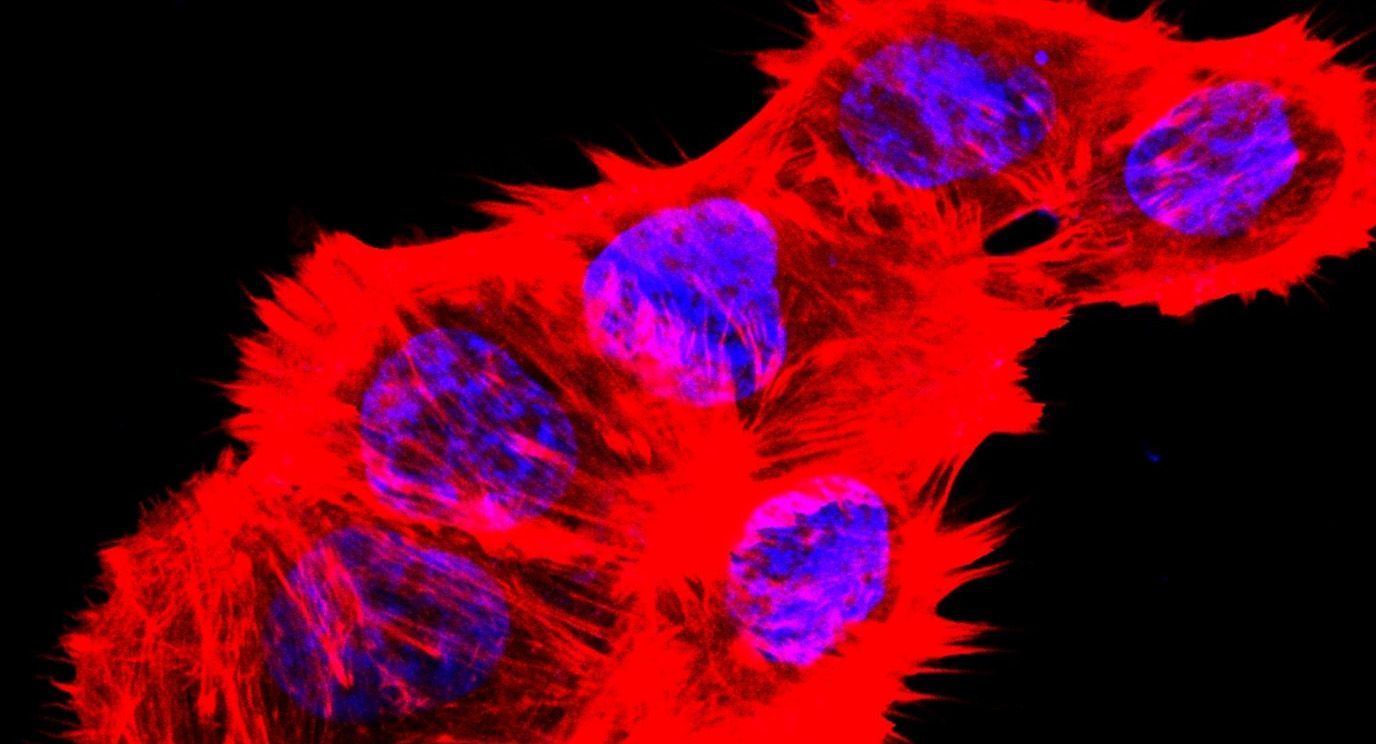
New cell death mechanism could offer novel cancer treatment strategies - MD Anderson Cancer Center
Source: mdanderson.org
At a glance
Verified August 11, 2025Key Evidence
A 2025 study published by MD Anderson Cancer Center describes a previously unexplained type of cell death linked to tegavivint.
mdanderson.orgmdanderson.orgNew cell death mechanism could offer novel cancer treatment strategies
Stanford researchers reported that tegavivint activates a unique mechanism of non-apoptotic cell death in cancer cells, positioning it as a potential new cancer treatment.
news.stanford.edunews.stanford.eduNovel cancer-killing mechanism opens path to new treatments
PubMed indexed research confirms tegavivint’s role in triggering non-apoptotic cancer cell death during human clinical trials.
pubmed.ncbi.nlm.nih.govpubmed.ncbi.nlm.nih.govA clinical drug candidate that triggers non-apoptotic cancer cell death
The reporting
What the Evidence Shows
Recent scientific studies and reports from reputable institutions confirm that tegavivint, a drug candidate currently undergoing clinical trials, activates a unique, non-apoptotic mechanism of cancer cell death. This mechanism differs from traditional apoptosis and has been described as a potential new weapon in the fight against cancer. The discovery was reported by multiple sources including Stanford University and MD Anderson Cancer Center in 2025, highlighting the novelty and therapeutic potential of this mechanism. However, while promising, tegavivint is still under investigation and not yet an established standard treatment. The phrase "new weapon in the fight against cancer" is optimistic but appropriate given the early-stage clinical research and potential impact on cancer therapy.
Key points:
Tegavivint triggers a novel form of cell death distinct from apoptosis.
The mechanism has been validated in preclinical and early clinical studies.
It represents a promising therapeutic strategy but requires further clinical validation before widespread use.
Therefore, the claim is mostly true but should be understood within the context of ongoing research rather than established clinical practice.
Primary trail
Verified Sources7
Open source