Amazon Prime Day discounts frequently fail to represent true all-time lows or unique savings, as consumer research and price tracking reports show that many items sell at similar or lower prices during non-sale periods.
Mostly True
Amazon Prime Day discounts are consistently lower than historical average prices for the same products.
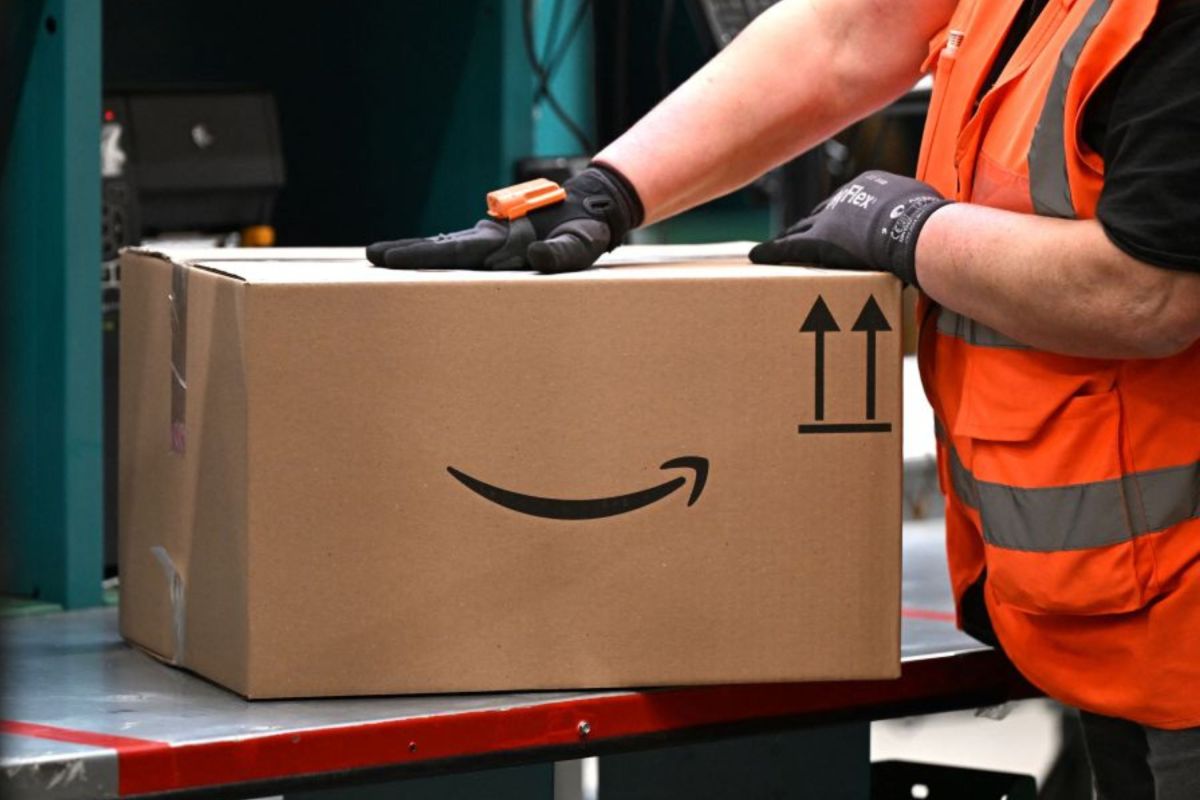
Most Amazon Prime Day Deals Aren't Real, New Report Indicates
Source: newsweek.com
At a glance
Verified October 11, 2026Key Evidence
Consumer research indicates that only a small minority of discounted products reach true historic low prices during Prime events.
Price tracking data demonstrates that many everyday items frequently sell at or below Prime Day prices during non-sale periods.
Investigations into retail practices reveal that inflated list prices sometimes exaggerate the true magnitude of promotional discounts.
The reporting
What the Evidence Shows
Investigative reporting and retail data aggregators have repeatedly examined pricing trends surrounding major promotional events such as Amazon Prime Day. Publications including Newsweek and Business Insider have noted that a substantial portion of discounted goods do not hit record low prices during the event, with studies indicating that only a small fraction of items reach new historic lows.washingtonpost.comwashingtonpost.comAmazon Prime Day PricesThe claim that "Amazon Prime Day discounts are consistently lower than historical average prices for the same products" (or that many Prime Day deals do not represent true all-time lows) is a mixed finding supported by considerable...
newsweek.comnewsweek.comMost Amazon Prime Day Deals Aren't Real, New Report IndicatesThe claim that "Amazon Prime Day discounts are consistently lower than historical average prices for the same products" (or that many Prime Day deals do not represent true all-time lows) is a mixed finding supported by considerable...
Additional commentary from personal shopper analysts at Forbes and Capital One Shopping points out that everyday items frequently sell at or near promotional price points during regular non-sale periods throughout the year. Furthermore, investigators have observed instances where list prices or manufacturer suggested retail prices appear artificially inflated to make discount percentages appear larger than they are in practice.forbes.comforbes.comIs Prime Big Deal Days Worth ShoppingHowever, many everyday items frequently sell at or near these prices during non-sale periods
businessinsider.combusinessinsider.comHow to Tell If a Prime Day Deal Is Actually GoodIn some instances, items were found to be cheaper weeks before the event than on Prime Day itself, or list prices ("MSRPs") were artificially inflated to make percentage-off badges look significantly larger than they actually were An item...+1 more
While average category discounts do hover around certain percentage thresholds, the underlying historical data demonstrates that these deals are rarely exclusive to the specific promotional window. Consumers often find identical or better pricing weeks before or after the official event, making the claim largely accurate even if average headline figures suggest deep savings.cmswire.comcmswire.comAI Traffic Doubles on Prime DayWhat Adobe Analytics Tracks During Prime Day Scope of Data: Adobe Analytics monitors overall U.S. e-commerce transactions across retail websites, tracking over 1 trillion site visits, 100 million SKUs, and 18 product categories
Primary trail
Verified Sources7
Open source
AI Traffic Doubles on Prime Day
Is Prime Big Deal Days Worth ShoppingPrimary Source Extraction
Verified Document Excerpt
"Even though it may seem like Amazon Prime Day just finished, the retailer is already kicking off its fall equivalent soon: Prime Big Deal Days. With the wave of flashy markdowns and price cuts just around the corner, I'll teach you how to tell if a Prime Day deal is actually good.Not only has my team spent years covering Amazon's big sales event, but all of us also have pretty high standards when it comes to the products and brands we share in the first place."