ICE agents generally do not need a judicial warrant to make arrests, but they are restricted from conducting enforcement operations at sensitive locations such as schools, churches, and hospitals under current guidelines.
Mostly True
ICE don't need a judicial warrant to make an arrest. ICE don't do operations at schools, churches or hospitals.
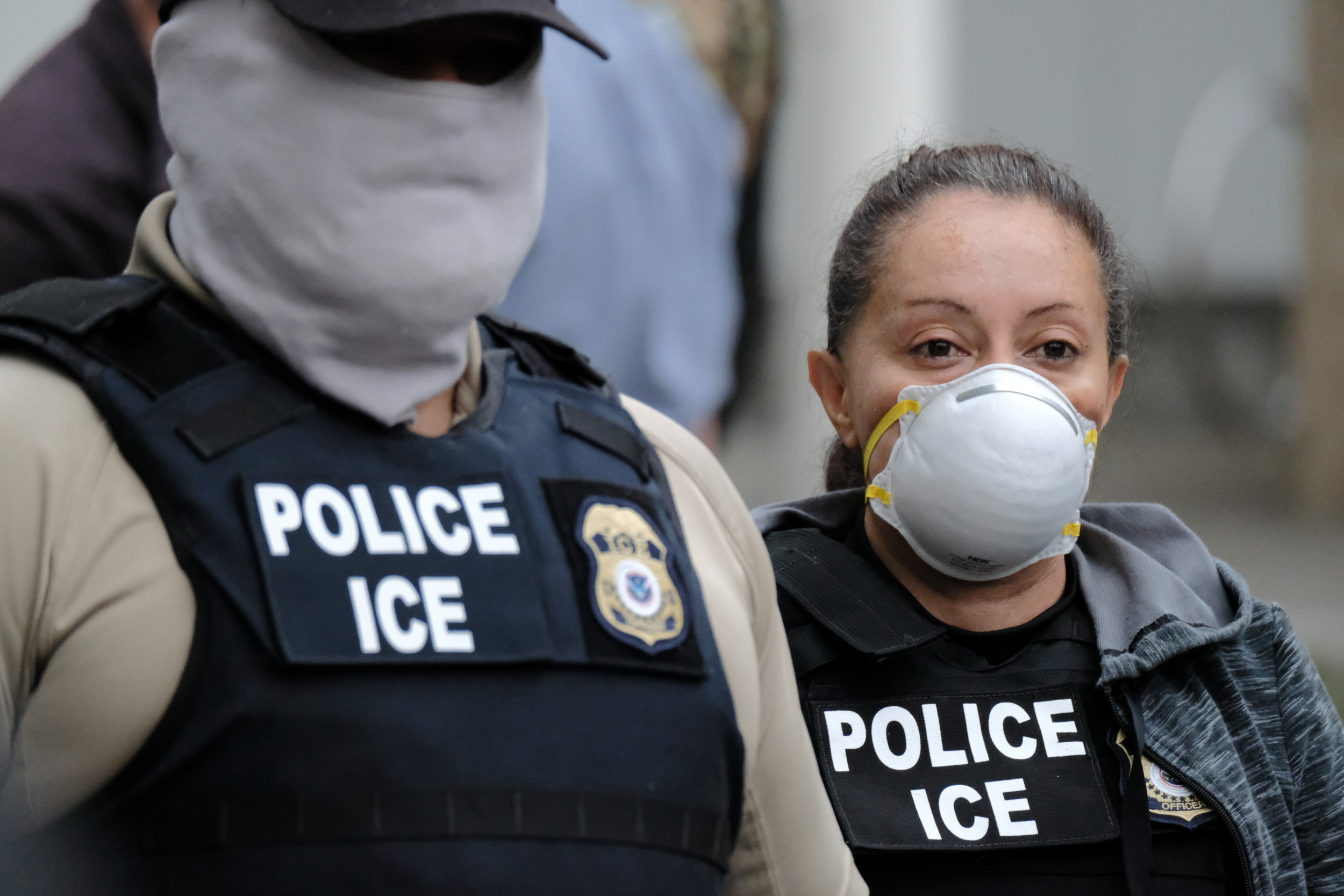
Does ICE Need a Warrant? Questions Loom Over Trump's Deportation Raids - Newsweek
Source: newsweek.com
At a glance
Verified August 14, 2025Key Evidence
Section 287 of the Immigration and Nationality Act authorizes ICE officers to arrest without a judicial warrant because immigration violations are civil offenses.
ice.govice.govArchived: Misinformation concerning ICE operations generates unnecessary fear in...
ICE cannot forcibly enter homes without a judicial warrant or consent.
newsweek.comnewsweek.comDoes ICE Need a Warrant? Questions Loom Over Trump's Deportation Raids
immigrantdefenseproject.orgimmigrantdefenseproject.orgICE Ruses
DHS guidelines restrict ICE enforcement actions at sensitive locations such as schools, hospitals, and churches.
The reporting
What the Evidence Shows
Regarding the need for a judicial warrant, ICE officers have authority under Section 287 of the Immigration and Nationality Act to arrest individuals without a judicial warrant because immigration violations are civil matters, not criminal offenses. This means that ICE can arrest people in public places without obtaining a warrant from a judge. However, ICE cannot forcibly enter private homes without either consent or a judicial warrant.
Concerning operations at sensitive locations, ICE follows Department of Homeland Security (DHS) guidelines that generally prohibit enforcement actions at "sensitive locations" such as schools, hospitals, and places of worship. These policies are intended to protect vulnerable populations and maintain community trust. While these guidelines are not absolute legal prohibitions, ICE typically avoids conducting arrests or raids in these places.
Therefore, the statement that "ICE don't need a judicial warrant to make an arrest" is mostly true in the context of public arrests for civil immigration violations. The claim that "ICE don't do operations at schools, churches or hospitals" aligns with DHS policy guidelines restricting enforcement in these sensitive locations, making it mostly true as well.
It is important to note that exceptions or variations can occur depending on specific circumstances or changes in policy directives by the current administration. Nonetheless, the general framework remains consistent as of mid-2025.
Primary trail
Verified Sources7
Open source