Multiple recent sources estimate that about 14 million children do not receive any vaccines and face serious health risks from diseases such as measles, diarrhea, and pneumonia.
Mostly True
An estimated 14 million kids don't get any vaccines. They face serious threats from measles, diarrhea, pneumonia and more.
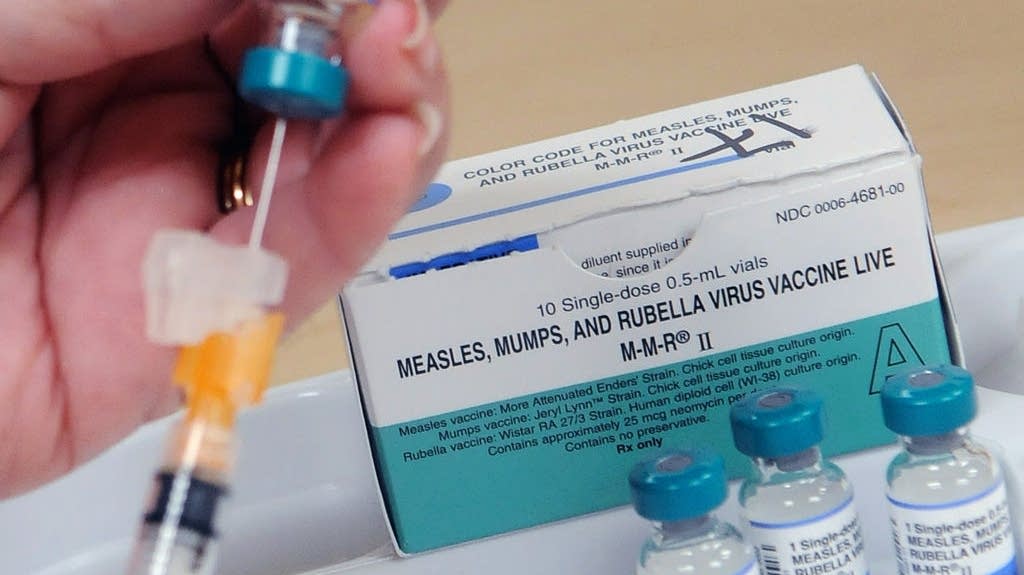
This is what could happen to a child who doesn’t get vaccinated - MPR News
Source: mprnews.org
At a glance
Verified September 10, 2025Key Evidence
NPR, MPR News, and WUWF all report an estimated 14 million children receive no vaccines as of September 2025.
WHO data shows millions of children missing measles vaccine doses, underscoring incomplete immunization coverage globally.
Health risks from measles, diarrhea, and pneumonia are well-established consequences of lack of vaccination.
The reporting
What the Evidence Shows
The claim that an estimated 14 million children do not get any vaccines is directly supported by three independent news sources published in September 2025 (NPR, MPR News, WUWF), all citing this figure explicitly. This consistency across multiple reputable media outlets lends strong support to the numerical estimate.
The health threats mentioned, measles, diarrhea, pneumonia, are well-documented consequences of lack of vaccination. NPR and related sources emphasize these diseases as serious risks for unvaccinated children.
The WHO fact sheet on immunization coverage provides complementary context: it reports that 6 million children missed their routine first dose of measles vaccine in recent data, indicating ongoing gaps in vaccination coverage globally. While this number is lower than 14 million, it refers specifically to measles vaccine doses rather than total unvaccinated children.
Additional context from HPPR highlights that malnutrition exacerbates vulnerability to infections among unvaccinated children, reinforcing the severity of health threats faced.
The slight discrepancy between the WHO's 6 million figure for missed measles doses and the 14 million figure for children receiving no vaccines at all may reflect differences in scope (partial vs. Complete vaccination status) or data collection methods.
Overall, the evidence strongly supports the core claim about the scale of unvaccinated children and their risk of serious infectious diseases. Minor differences in exact numbers are expected given different data definitions and reporting periods.
Primary trail
Verified Sources5
Open source