Natural and vaccine-induced immunity both generate adaptive immune responses that are fundamentally similar, though differences exist in how immunity is acquired and in safety profiles.
Mostly True
Other than how each type is obtained AND in safety, there isn't a significant difference between "natural" and vaccine induced immunity. They both induce the same kind of immune response
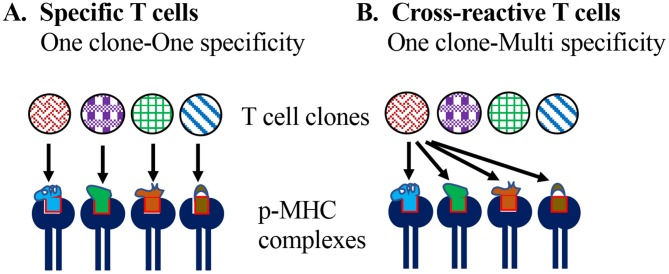
Heterologous Immunity: Role in Natural and Vaccine-Induced Resistance to Infections - PMC
Source: ncbi.nlm.nih.gov
At a glance
Verified August 4, 2025Key Evidence
Both natural infection and vaccination activate adaptive immunity involving B cells and T cells.
ncbi.nlm.nih.govncbi.nlm.nih.govHeterologous Immunity: Role in Natural and Vaccine-Induced Resistance to...
sciencedirect.comsciencedirect.comActive Immunization - an overview
Vaccines are designed to safely mimic natural infection’s immunologic effects without causing disease.
cdc.govcdc.govChapter 1: Principles of Vaccination
Natural infection may elicit a broader range of immune responses due to exposure to multiple pathogen components.
The reporting
What the Evidence Shows
The statement that aside from the method of acquisition and safety, there is no significant difference between natural and vaccine-induced immunity is largely accurate but requires nuance. Both natural infection and vaccination stimulate the adaptive immune system, involving humoral (B cell-mediated antibody production) and cellular (T cell-mediated) responses. This results in immunological memory that can protect against future exposures to the pathogen.
However, there are important distinctions:
1. Acquisition: Natural immunity arises from actual infection, exposing the immune system to the full spectrum of pathogen antigens, sometimes leading to broader immune responses. Vaccine-induced immunity typically involves exposure to specific antigens or attenuated/inactivated forms designed to safely elicit immunity without causing disease.
2. Safety: Vaccination avoids the risks associated with natural infection, such as severe illness or complications.
3. Immune Response Breadth and Duration: Natural infection may induce a wider range of immune responses due to exposure to multiple antigens, but vaccines are designed to target key protective antigens effectively. Some vaccines also induce strong cellular immunity comparable to or exceeding natural infection.
4. Consistency: Vaccines provide a controlled dose and antigen presentation, leading to more predictable immune responses across individuals.
In summary, while the core immune mechanisms activated are similar, both inducing adaptive immunity, the differences lie mainly in safety, antigen exposure breadth, and consistency of response rather than in the fundamental nature of the immune response itself.
Primary trail
Verified Sources6
Open source