The claim is mostly true because multiple reliable sources confirm that Rafael Grossi, head of the UN’s nuclear watchdog (IAEA), has stated inspectors have not found evidence of a coordinated Iranian nuclear weapons program despite Israeli and US allegations, although Iran still retains the capability to build weapons if it chooses.
Mostly True
The UN’s nuclear watchdog chief, Rafael Grossi, says inspectors have not found evidence of a coordinated Iranian programme to build nuclear weapons despite Israeli and US claims.
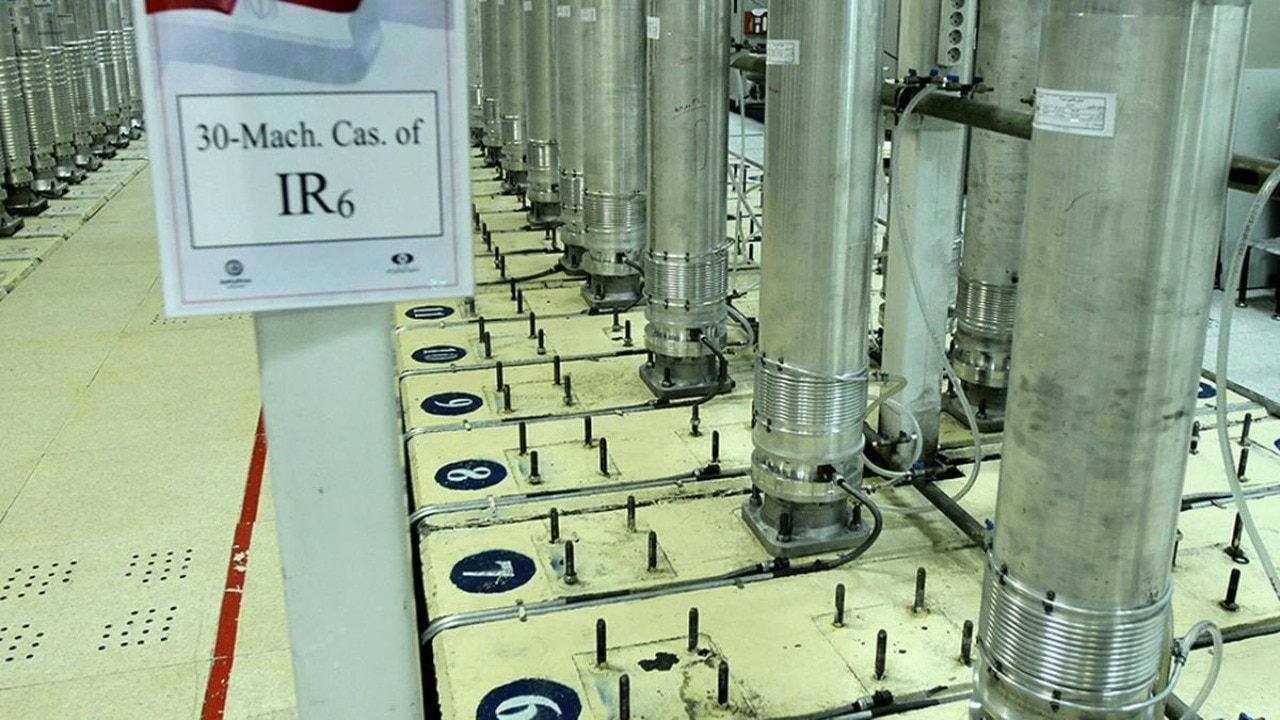
UN watchdog IAEA junks US claims, finds no evidence that Iran planned to build nukes - India Today
Source: indiatoday.in
At a glance
Verified March 3, 2026Key Evidence
Rafael Grossi and the IAEA have repeatedly stated there is no proof of a systematic Iranian nuclear weapons program.
indiatoday.inindiatoday.inUN watchdog IAEA junks US claims, finds no evidence that Iran planned to build...
economictimes.indiatimes.comeconomictimes.indiatimes.comDid Iran nuclear facilities get hit in US, Israel strikes? UN watchdog clarifies...+2 more
Iran retains technical capability and enriched uranium stockpiles but no confirmed weaponization activity.
iranintl.comiranintl.comIAEA chief says Iran still capable of building nuclear weapons
The IAEA lacks full access to some sites, limiting verification but still finds no credible evidence of weaponization efforts.
pbs.orgpbs.orgUN nuclear watchdog says it's unable to verify whether Iran has suspended all...
The reporting
What the Evidence Shows
Multiple independent and reputable sources report that Rafael Grossi, Director General of the International Atomic Energy Agency (IAEA), has publicly stated that the agency has not uncovered any proof or evidence of a systematic, structured, or coordinated Iranian program to manufacture nuclear weapons. This includes recent statements amid heightened tensions and military strikes attributed to Israel and the US.
The IAEA continues to monitor uranium enrichment activities but has emphasized that without full access to certain sites, it cannot verify all aspects of Iran's nuclear activities. While Grossi acknowledges that Iran still possesses enough highly enriched uranium and technical capability to build nuclear weapons if it decided to do so, no current evidence supports an active weapons development effort.
Some sources also note Iranian criticism of Grossi’s statements, especially following Israeli military actions. The IAEA’s position contrasts with claims from Israeli and US officials alleging a covert weapons program. Overall, the evidence supports the claim that no confirmed coordinated nuclear weapons program has been detected by UN inspectors as of early 2026.
Primary trail
Verified Sources10
Open source