The U.S. Supreme Court recently upheld Section 2 of the Voting Rights Act in a significant decision affirming protections for Black, Latino, Asian, and Indigenous voters, though some concerns remain about the scope of future enforcement.
Mostly True
Supreme Court stands with Voting Rights Act, upholding Section 2 in major win for Black, Latino, Asian & Indigenous voters
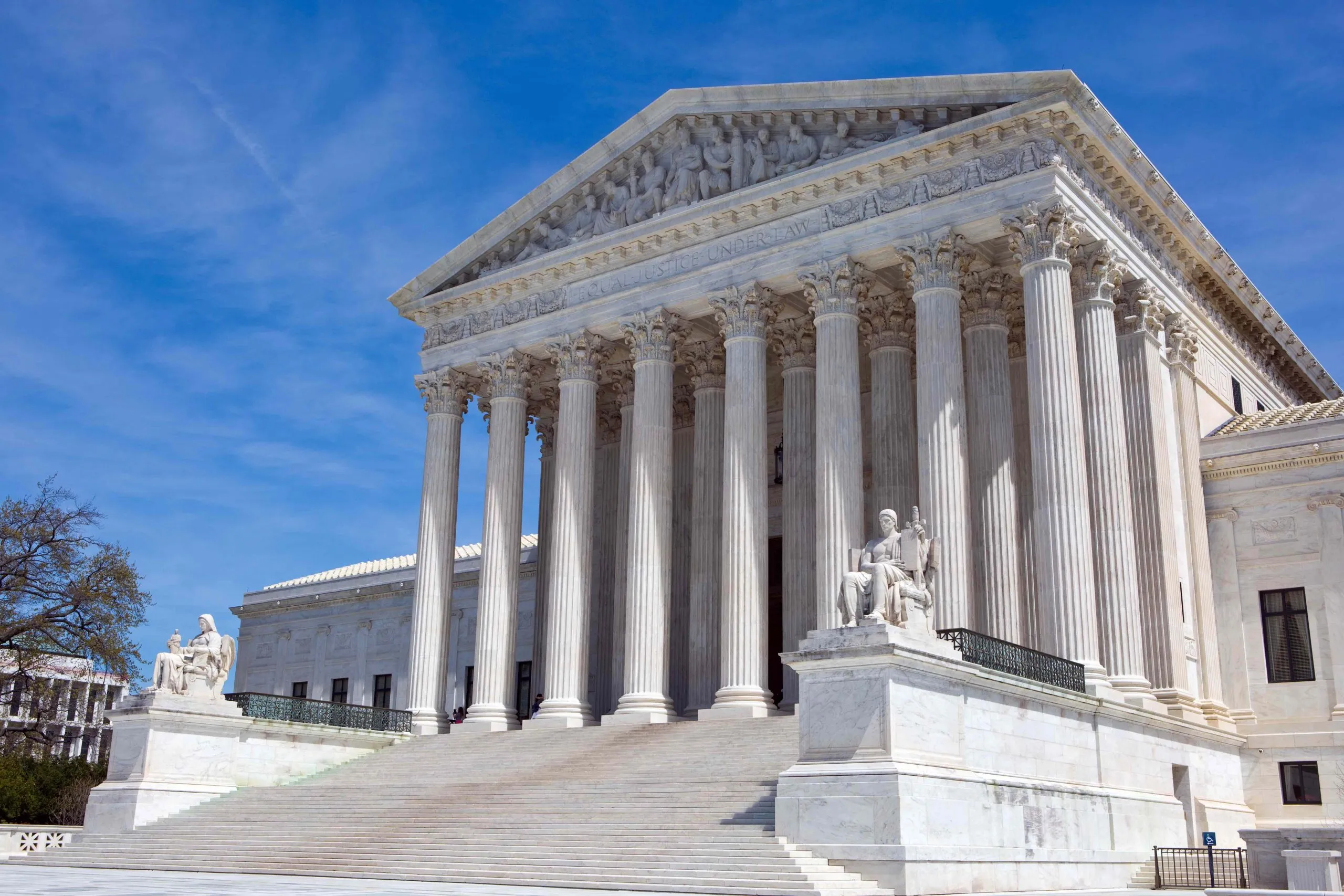
Supreme Court upholds Section 2 of Voting Rights Act - SCOTUSblog
Source: scotusblog.com
At a glance
Verified August 9, 2025Key Evidence
The Supreme Court upheld Section 2 of the Voting Rights Act by a 5-4 vote, affirming protections against vote dilution for Black Alabamians and other minority groups.
lwv.orglwv.orgUS Supreme Court Decision Preserves Section 2 of the Voting Rights Act, Ensures...
scotusblog.comscotusblog.comSupreme Court upholds Section 2 of Voting Rights Act
The ruling was hailed as a major victory for Native American voters and other minorities seeking fair representation.
campaignlegal.orgcampaignlegal.orgNative Voters Win Major Voting Rights Act Victory in U.S. Supreme Court
However, some conservative justices introduced new guidelines that may limit future claims under Section 2, raising concerns about narrowing protections.
afj.orgafj.orgSupreme Court Ready to Gut Last Vestige of Voting Rights Act
slate.comslate.comSupreme Court sends disturbing signal on Voting Rights Act
The reporting
What the Evidence Shows
The Supreme Court ruled in June 2023 by a narrow 5-4 vote to uphold Section 2 of the Voting Rights Act (VRA), which prohibits voting practices that discriminate on the basis of race or minority status. This ruling preserved an important legal tool used to challenge vote dilution and discriminatory redistricting.
The decision specifically affirmed that minority voters, including Black, Latino, Asian, and Indigenous communities, retain the right to fair representation and protection against discriminatory electoral maps, as seen in cases like Alabama’s congressional redistricting.
While this ruling is widely regarded as a major victory for voting rights advocates and minority voters, some legal analysts and advocacy groups caution that the Court’s conservative majority introduced new standards that could narrow the scope of what constitutes illegal voter suppression under Section 2 in future cases.
The ruling thus maintains critical protections but also signals potential challenges ahead in how Section 2 claims will be evaluated, reflecting ongoing tensions in the Court’s approach to voting rights enforcement.
Overall, the statement that the Supreme Court stands with the Voting Rights Act and upholds Section 2 as a major win for minority voters is accurate but should be understood within the nuanced context of evolving judicial interpretations.
Primary trail
Verified Sources7
Open source