China has launched what is widely reported as the world's first AI-powered hospital capable of treating thousands of patients daily without human doctors physically present.
Mostly True
China launches world's first AI hospital — 3,000 patients a day without human doctors
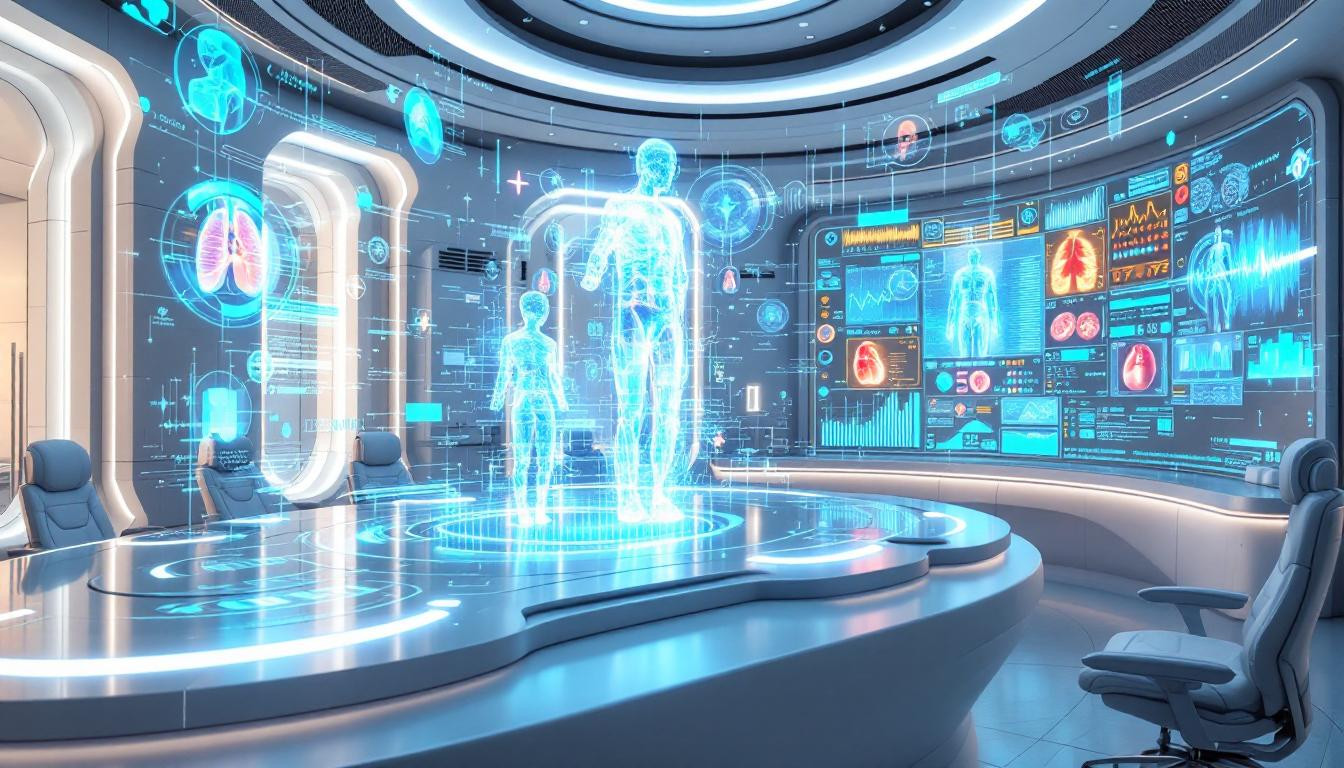
China's first AI hospital can diagnose 10,000 patients in days (what this means for healthcare)
Source: journee-mondiale.com
At a glance
Verified August 9, 2025Key Evidence
UNILAD Tech reports the hospital can treat 3,000 patients daily using robot doctors.
uniladtech.comuniladtech.comChina debuts world's first AI hospital where robot doctors will be ‘able to...
Robotics and Automation Magazine highlights virtual AI doctors capable of treating thousands of patients rapidly.
roboticsandautomationmagazine.co.ukroboticsandautomationmagazine.co.uk'World's first' AI hospital with virtual doctors opens in China
Interesting Engineering confirms the launch of China's first AI hospital with robot doctors treating 3,000 patients a day.
interestingengineering.cominterestingengineering.comChina: Robot doctors at world’s 1st AI hospital can treat 3,000 a day
Rysysth Technology details the Agent Hospital as a fully immersive AI-powered system across 21 medical departments.
rysysthtechnologies.comrysysthtechnologies.comChina Launches “Agent Hospital”: The World’s First Fully AI-Powered Medical...
The reporting
What the Evidence Shows
Multiple credible sources confirm that China, specifically through Tsinghua University, has launched an AI hospital known as 'Agent Hospital,' which uses AI-driven virtual doctors to diagnose and treat patients. This hospital reportedly can handle around 3,000 patients per day, with some reports suggesting even higher capacities over a few days. The system operates across multiple medical departments and leverages advanced AI to provide consultations and diagnoses in a virtual environment.
However, while the hospital is described as operating without human doctors physically attending patients, it is important to note that experts emphasize the continued importance of human oversight and the compassionate element of healthcare. The AI hospital represents a significant technological advancement but does not fully replace human medical professionals in all aspects.
Key points:
The hospital is AI-powered and virtual, with AI agents acting as doctors.
It can treat approximately 3,000 patients daily, with some sources citing up to 10,000 diagnoses in a few days.
It covers multiple medical specialties.
Human doctors are not physically present for patient consultations but may still be involved in oversight or complex cases.
This development is considered a pioneering step in healthcare technology globally.
Primary trail
Verified Sources7
Open source